

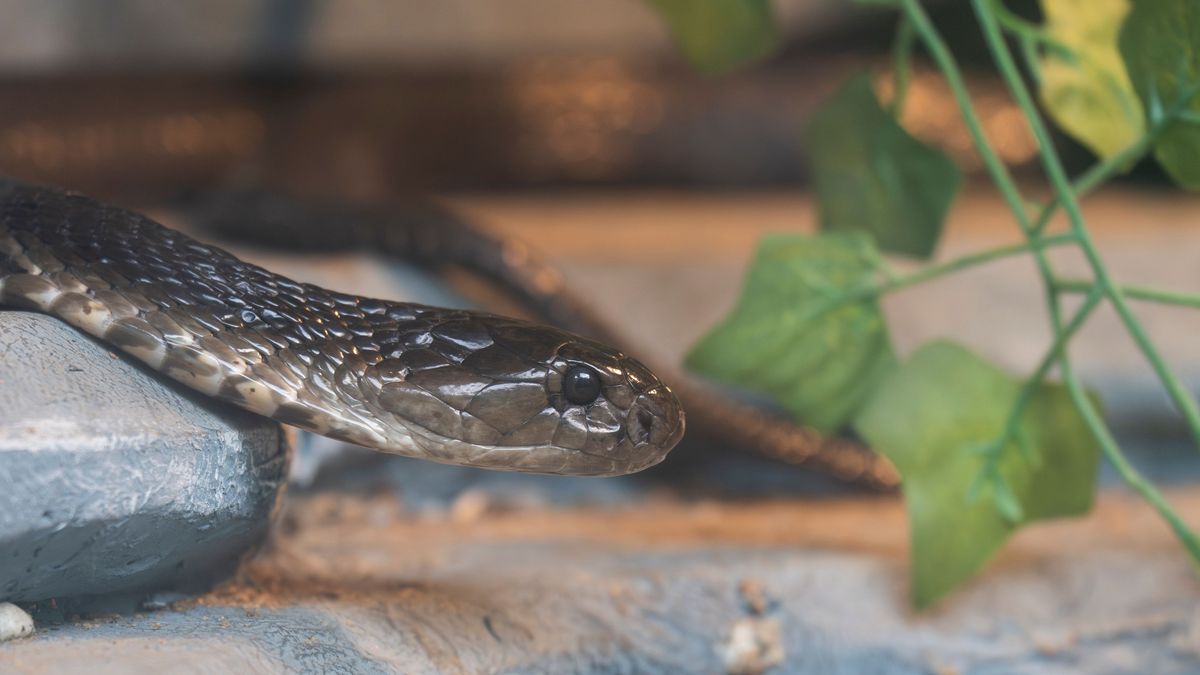
An international team of researchers has used artificial intelligence to search for antimicrobial peptides in the cardiotoxins of cobra venom from the genus Naja — the findings have been published in the scientific journal NPJ Drug Discovery, according to infohub.kz.
The study's authors were Bruno Mendes, Joao Ricardo Almeida, Valeria Castelletto, Ian Hamley and Graham Barrett. Using computer analysis and machine learning algorithms, they examined protein databases and identified 14 potential peptide candidates.
In laboratory tests, chemically synthesized samples were checked for their ability to disrupt bacterial membranes and for toxicity to human red blood cells. The most effective proved to be a peptide called CTX-p5: it showed a pronounced ability to break down the membranes of both gram-negative and gram-positive bacteria, causing their depolarization and increased permeability. At the same time, most of the molecules tested showed a low level of hemolytic toxicity to human blood cells.
The authors note that the current minimum inhibitory concentrations of the resulting substances remain fairly high for them to be used directly as ready-made drugs. However, the experiment proved the viability of the concept of using artificial intelligence and snake venoms to develop new types of antibiotics capable of fighting pathogens resistant to conventional therapy.