

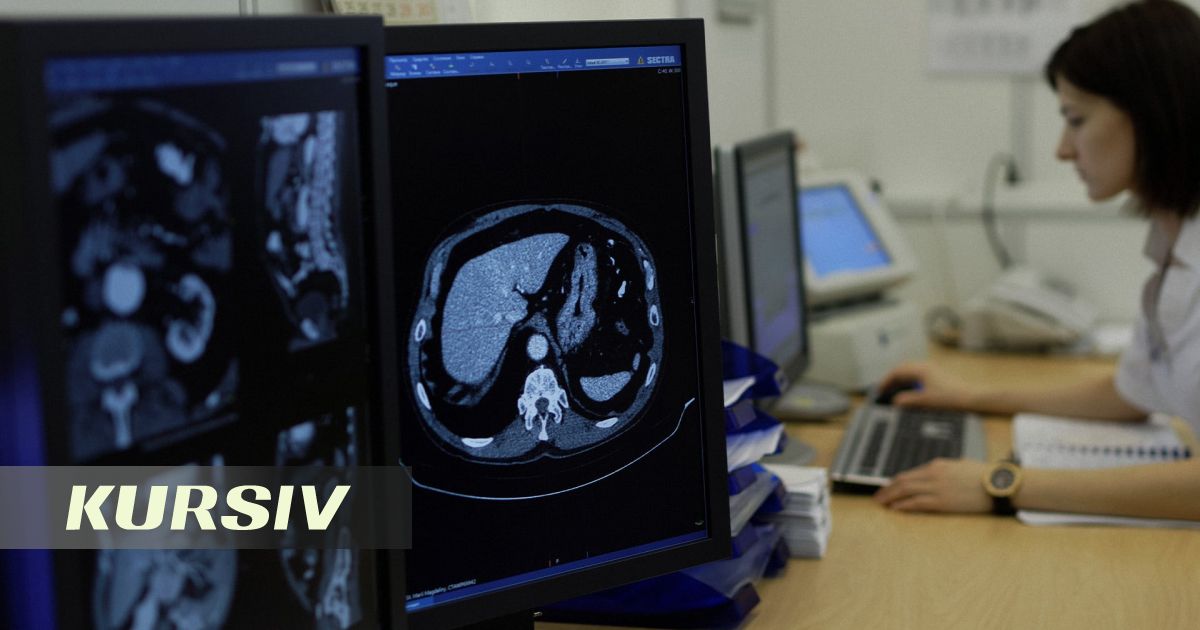
Building a digital model of a tumour once took months, and sometimes years. Now researchers at the Barcelona Supercomputing Center have created a system that does the job in minutes, according to infohub.kz.
The findings were published in npj Systems Biology and Applications.
How it works
The researchers built special software intermediaries known as MCP servers. They let an AI agent interact with the tools used to model biological processes.
A scientist can now describe a task to the AI in plain language — for example, explaining which cells or signalling processes they want to study. The AI interprets the request and passes commands to the programs.
According to the authors, an initial version of a digital tumour model can be produced in under 10 minutes, with no need to write code yourself.
Previously, such work would have required a specialist to study documentation, choose suitable parameters, write software code and work through several tools in sequence.
What a digital tumour model is
It is a computer representation of the biological processes taking place in a tumour. It allows researchers to simulate cell interactions and molecular processes and to test different scenarios before running experiments.
Such models can be used to study cancer and could potentially help in the search for new treatment approaches.
AI does not replace the scientist
In this system, the AI acts as an intermediary between the researcher and scientific tools. The scientist still has to understand the task and assess the result.
One problem was that different language models can give somewhat different answers. However, testing showed that, when a task is set correctly, the results converge on the same key biological conclusions.
This matters because the answers produced by generative AI can depend on how a request is worded.
What this could change in cancer research
The authors believe the technology can lower the barrier to entry for experimental biologists, who previously needed programming skills and experience with specialised software.
The MCP servers developed by the researchers are openly available to the scientific community. In future, similar systems could be used to speed up modelling and other complex processes.
The study does not prove that AI is already capable of modelling cancer development on its own with clinical accuracy. Further testing will be needed for that.
Kursiv Health has written that artificial intelligence can already produce cancer treatment plans as well as doctors do.