

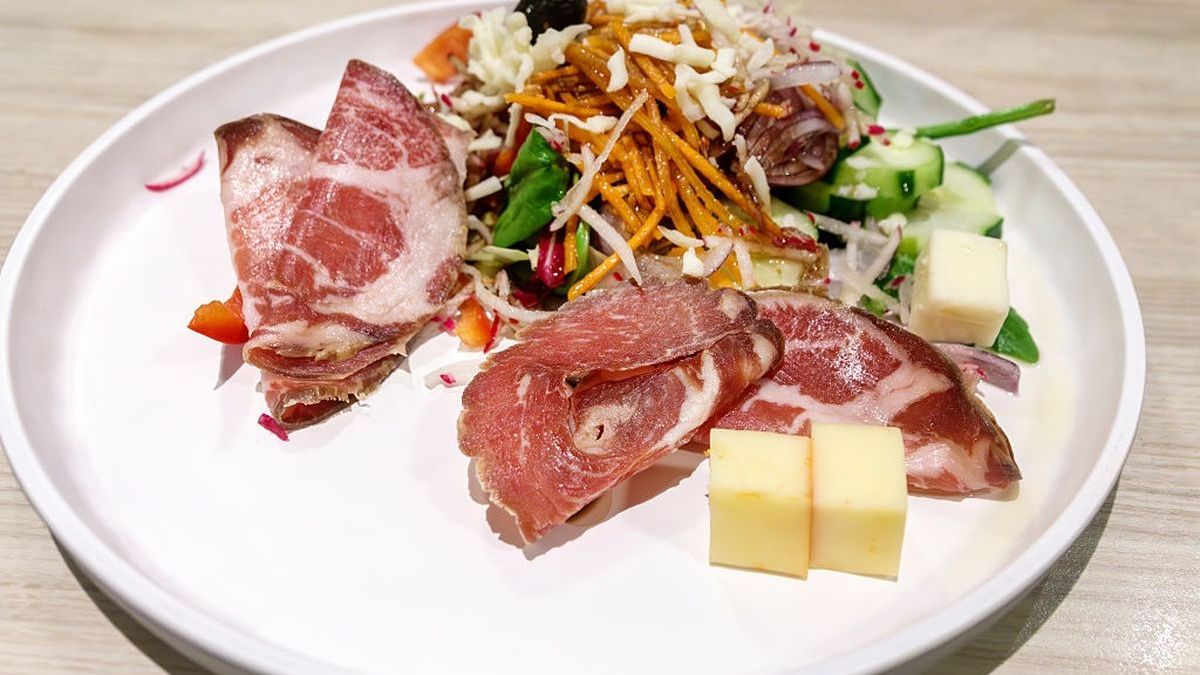
Generative artificial intelligence can create realistic images of dishes, but such pictures fall short of real photographs in realism and do not evoke the same desire to try the food, reports infohub.kz.
A new study published in the journal Scientific Reports has revealed how humans perceive AI-generated food images. Researchers assessed the reactions of 87 participants who were shown 60 pairs of images: real photos of dishes and their AI-generated counterparts.
It turned out that volunteers were equally accurate in estimating the approximate calorie content and healthiness of foods in both types of images. However, AI images seemed less realistic to respondents and made them less inclined to eat the dish.
The study's author, A. Dil, noted that the hyperrealism effect previously observed with AI-generated faces did not apply to food. Nevertheless, 14 of the 60 AI images were deemed more realistic than the real photos, and these were the ones that stimulated the most appetite.
According to the researchers, hyperrealistic AI images could be used in food delivery services and clinical trials, but their use requires transparency.