

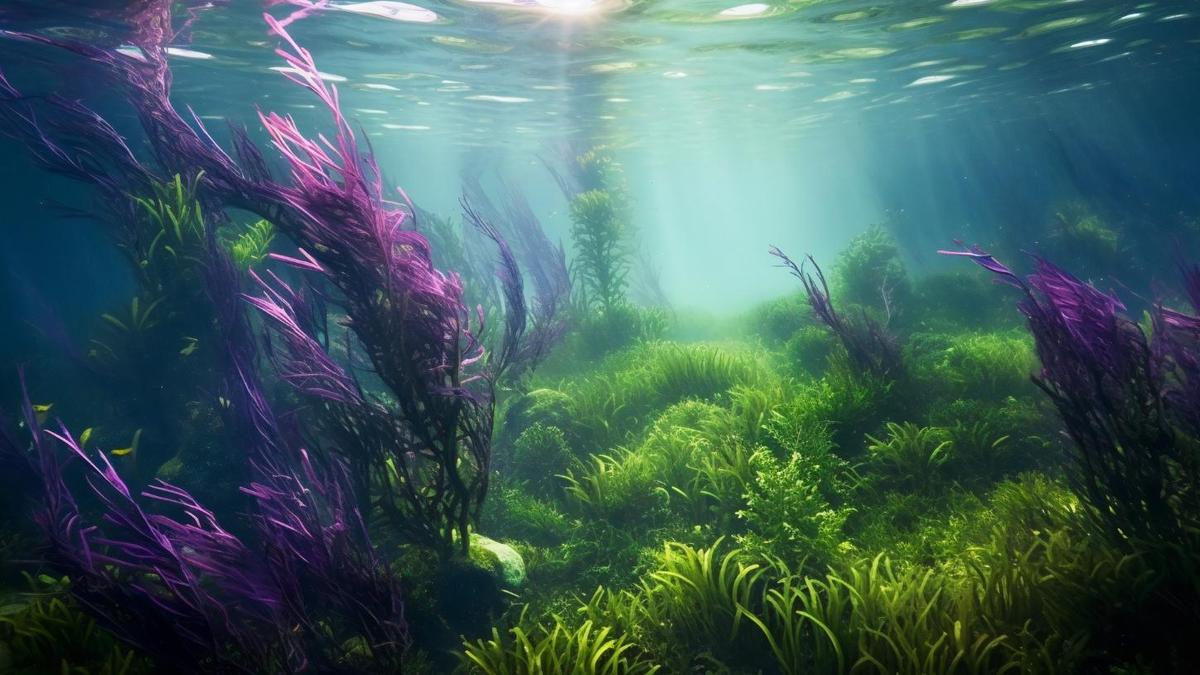
Artificial intelligence has for the first time conducted a large-scale analysis of floating algae in the world's oceans, revealing a rapid growth that poses serious threats to coastal regions, according to infohub.kz.
Researchers from the University of South Florida and the National Oceanic and Atmospheric Administration (NOAA) used deep learning methods to process 1.2 million satellite images taken from 2003 to 2022. The findings were published in the journal Nature Communications.
The analysis shows that Earth's oceans are gradually entering a new phase favorable for the explosive growth of macroalgae. In the open ocean, floating algal mats serve as important habitats for mollusks and fish, but when they wash ashore in massive quantities, they create enormous ecological and financial problems. Rotting algae produce unpleasant odors, harm human health, and devastate coastal tourism.
From 2008 to 2022, the area of algal mats in the tropical Atlantic and the western Pacific Ocean grew by 13.4% annually. Scientists attribute this to nutrient runoff from land, changes in ocean currents, and global warming of seawater.