

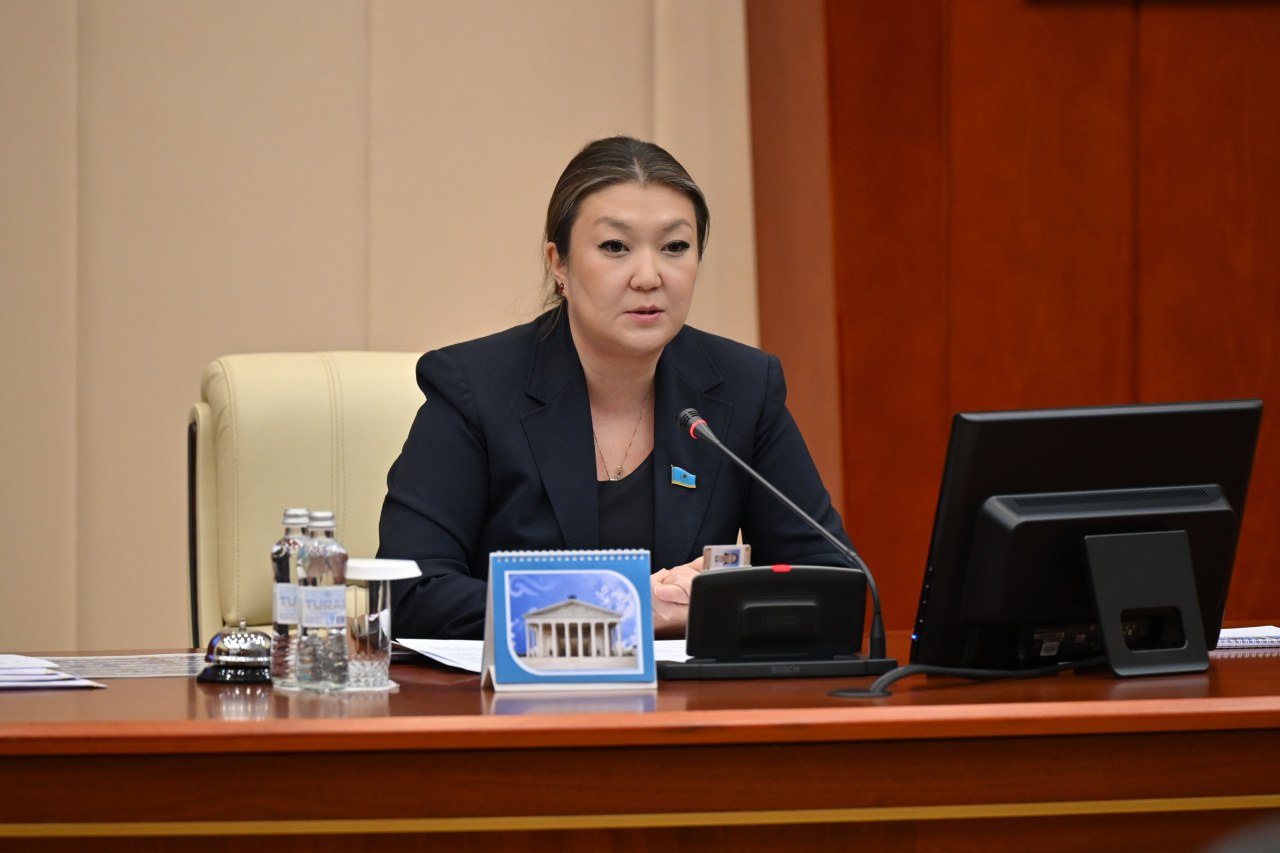
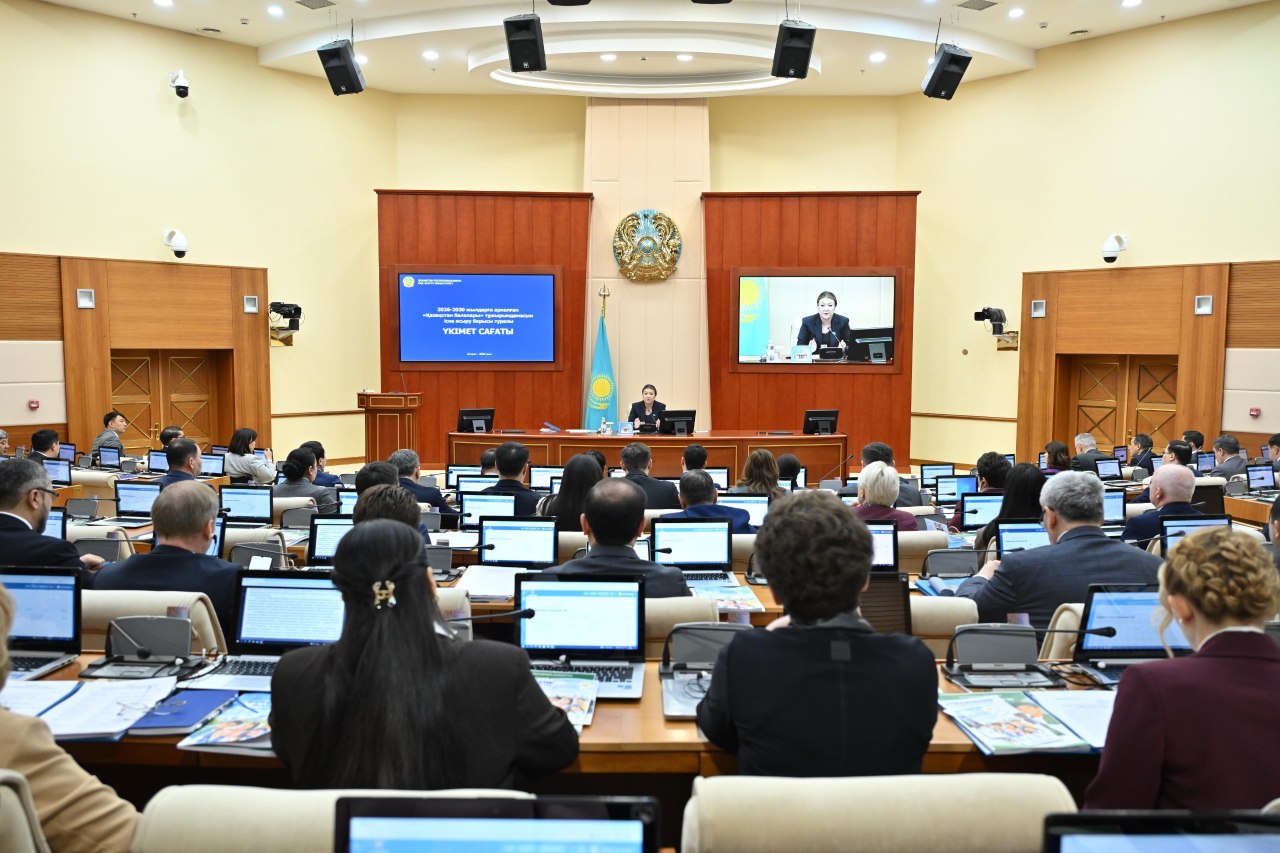
A new bill titled "On the Digital and Information Security of Children" has become the first piece of legislation drafted with the help of AI-Quryltai, an intelligent environment that incorporates an artificial intelligence model capable of conducting legal analysis. Dinara Zakiyeva, Vice-Speaker of the Quryltai, announced this during Government Hour, infohub.kz reports.
With the platform's help, the lawmakers drafting the bill were given a comprehensive analysis of the current state of children's safety in the digital and information environment. The analysis drew on big data, citizens' appeals, and an examination of issues raised by parents, experts and public representatives, as well as an assessment of potential threats and a review of international practice.
In addition, a specially trained legislative model within AI-Quryltai, which integrates a database of more than 800,000 regulatory legal acts, was used directly to draft the text of a bill for the first time. This made it possible to broaden and complete the amendments being introduced into the legislation and to avoid contradictions.
"For example, with the platform's help, a set of measures to protect children in the digital and information environment was developed, taking into account new threats and the development of digital technologies. These measures concern the introduction of a 'parental control' mechanism on all platforms. That is, a 'filter' for children will be introduced, and accordingly all unlabeled and unverified digital and information products, applications and games will be inaccessible to children. It is also proposed to introduce requirements for platforms to label all digital products, including applications and games, to verify them, and to block them if threats or violations are identified. In total, more than 120 amendments have been developed," Dinara Zakiyeva noted.
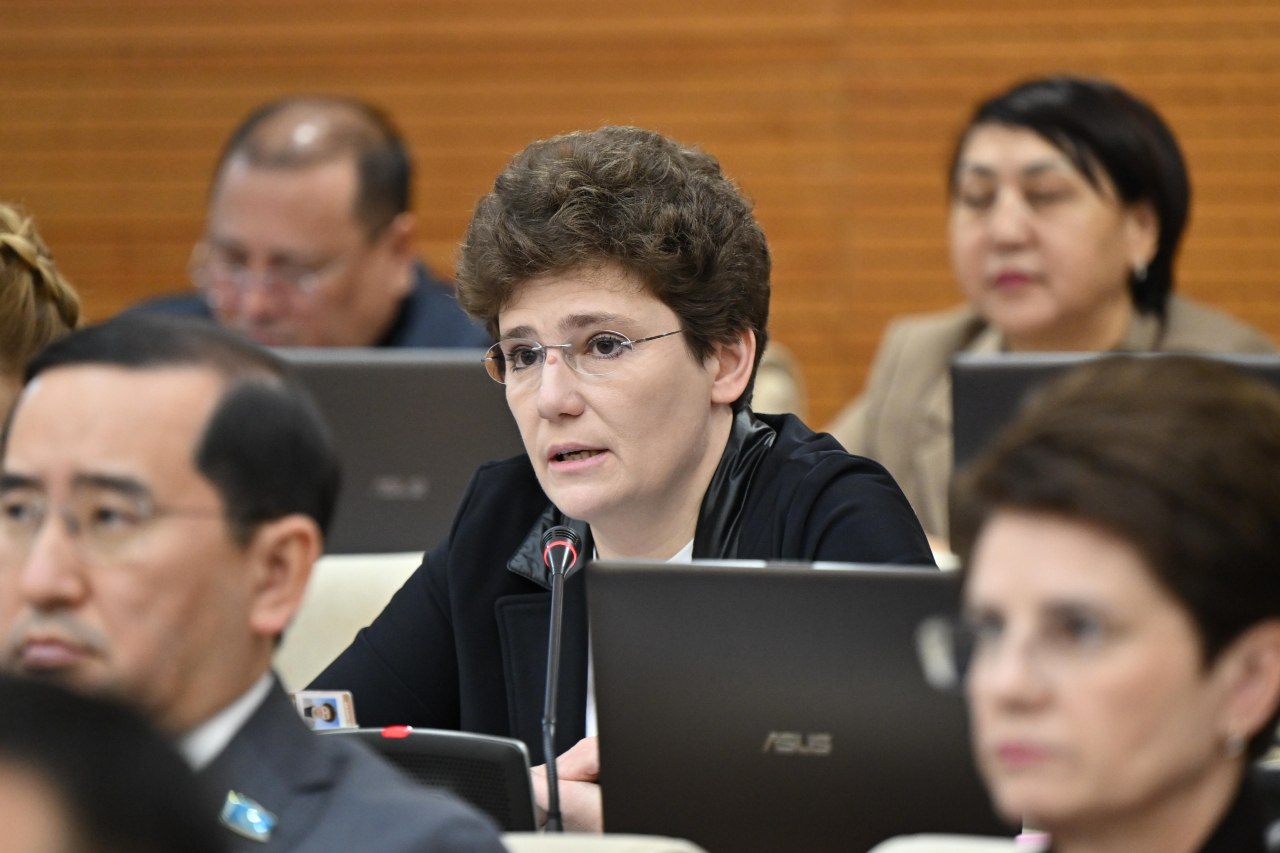
For her part, Quryltai deputy and head of the artificial intelligence laboratory Yekaterina Smyshlyayeva noted that the introduction of the AI-Quryltai system is creating an intelligent environment designed to improve the quality of legislative activity.
"If digitalization has made it possible to move documents, procedures and interactions into an electronic environment, AI-Quryltai should help qualitatively change the way information is handled. This is about creating a new intellectual layer on top of the existing digital infrastructure – a system of interconnected artificial intelligence agents and specialized modules that assist deputies and Quryltai staff at various stages of legislative activity," the deputy said.
According to Yekaterina Smyshlyayeva, the AI-Quryltai ecosystem covers five interconnected areas: intelligent analytics, a legal module, intelligent expertise, regulatory impact assessment and modeling of its consequences, and monitoring of law enforcement practice. In the future, artificial intelligence tools will make it possible to process large volumes of data, identify legal contradictions, assess potential risks and monitor the results of the application of adopted norms.
At the same time, the deputy noted that artificial intelligence does not replace humans in legislative activity.
"Artificial intelligence does not determine the content of state policy and does not make legal decisions. It helps the specialist see the regulatory and legal situation in full and prepare legal material with higher quality," Yekaterina Smyshlyayeva said.
According to the deputy, during the drafting of the bill, all proposals generated with the help of AI-Quryltai were reviewed and further refined by the drafting deputies with the participation of invited lawyers and experts.
The bill is now being sent to obtain the Government's conclusion. Its refinement will continue within the working group at the Quryltai.