

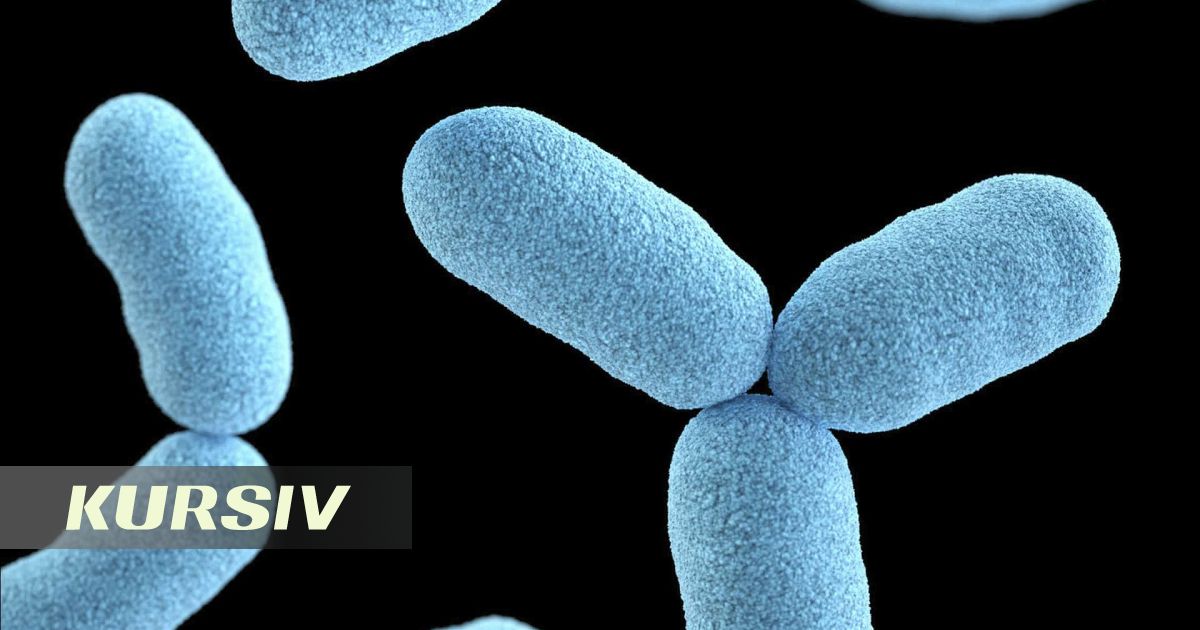
For the first time, artificial intelligence has enabled scientists to design entire genomes of viruses capable of infecting and destroying bacteria. The results were published in the journal Science, reports infohub.kz.
In the study, genomic language models were used to analyze patterns in DNA sequences, similar to how language models process text. The basis was the small bacteriophage ΦX174, which infects E. coli. The model was further trained on about 15,000 genomes of related bacteriophages, after which it was tasked with creating new variants of viral genomes.
The most promising variants were then synthesized in the lab and tested for their ability to form complete viral particles. Out of hundreds of variants, only 16 proved functional.
The researchers selected 302 genome designs, of which 285 were successfully synthesized, but only 16 variants were viable. Their genomes triggered the production of new viral particles capable of infecting bacteria. According to the scientists, the fact that AI could design an entire working genome, where multiple genes must interact in concert, is particularly significant.
Bacteriophages are viruses that infect bacteria but do not attack human cells. They have long been studied as a potential alternative to antibiotics. However, bacteria can become resistant to phages. In the experiment, the researchers obtained strains resistant to the original phage ΦX174 and tested whether the AI-designed approach could overcome such resistance. A cocktail of 16 new phages was able to overcome resistance in three bacterial strains.
Thus, the scientists demonstrated a potentially new way to respond to bacterial evolution: instead of searching for a suitable virus in nature, one can create many new variants using AI and then select the ones that work.
It is important to note that the study was conducted in the lab on bacteria, not on animals or humans. It is not yet possible to say that the created phages can safely treat infections in patients. Furthermore, most of the designed sequences did not work after synthesis: only 16 out of 285 variants were viable. However, if this approach can be developed further, it could become one of the tools for creating new viruses against antibiotic-resistant bacteria in the future.
Earlier, another AI achievement in medicine was reported: it helped scientists discover a new class of antibiotics for the first time in over 60 years. This is especially important amid the rise of antibiotic-resistant bacteria.