

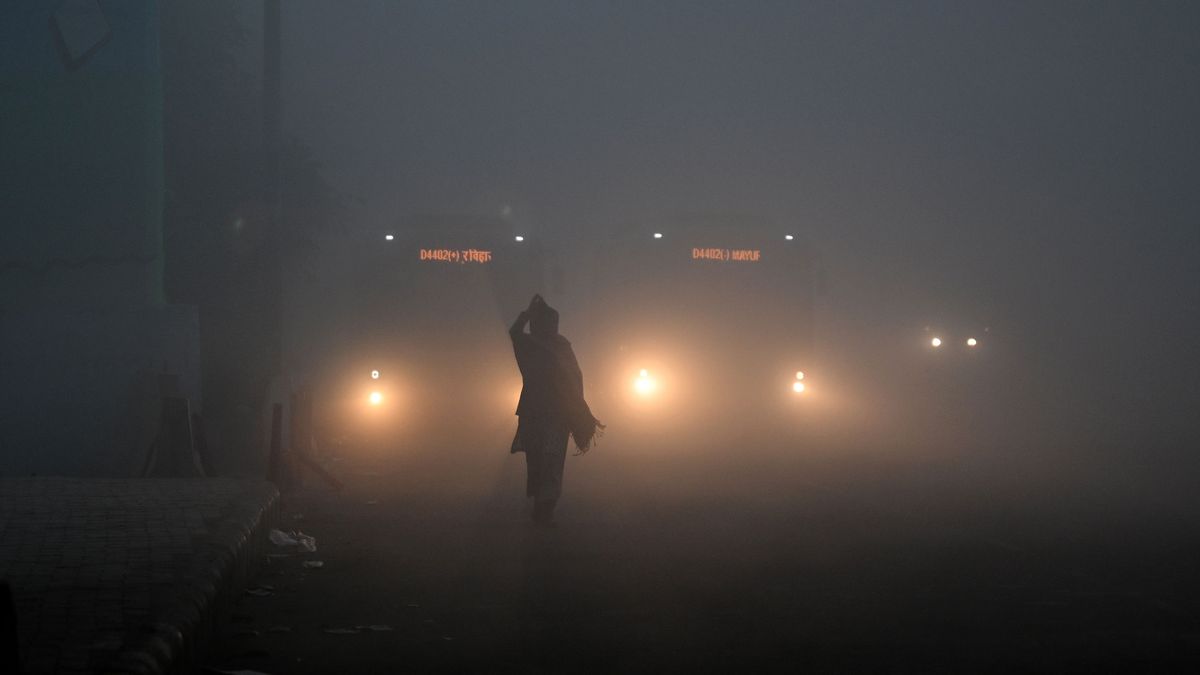
Long-term exposure to fine particles of dust, soot, and smoke increases the activity of rheumatoid arthritis and triggers painful flare-ups, reports infohub.kz.
South Korean researchers from Seoul National University, led by Eun Bong Lee, published their findings in the journal Annals of the Rheumatic Diseases. They analyzed the impact of six common air pollutants on patients with rheumatoid arthritis.
The greatest danger comes from fine particulate matter PM2.5. High levels of these particles in the air are linked to increased disease activity. The risk of flare-ups rises after exposure to these particles for more than two weeks.
Microscopic particles from smoke, dust, and soot can enter the bloodstream from the lungs and trigger excessive production of reactive oxygen species. This causes cellular stress, DNA damage, and inflammatory responses. Doctors recommend considering air quality when managing rheumatoid arthritis treatment.