

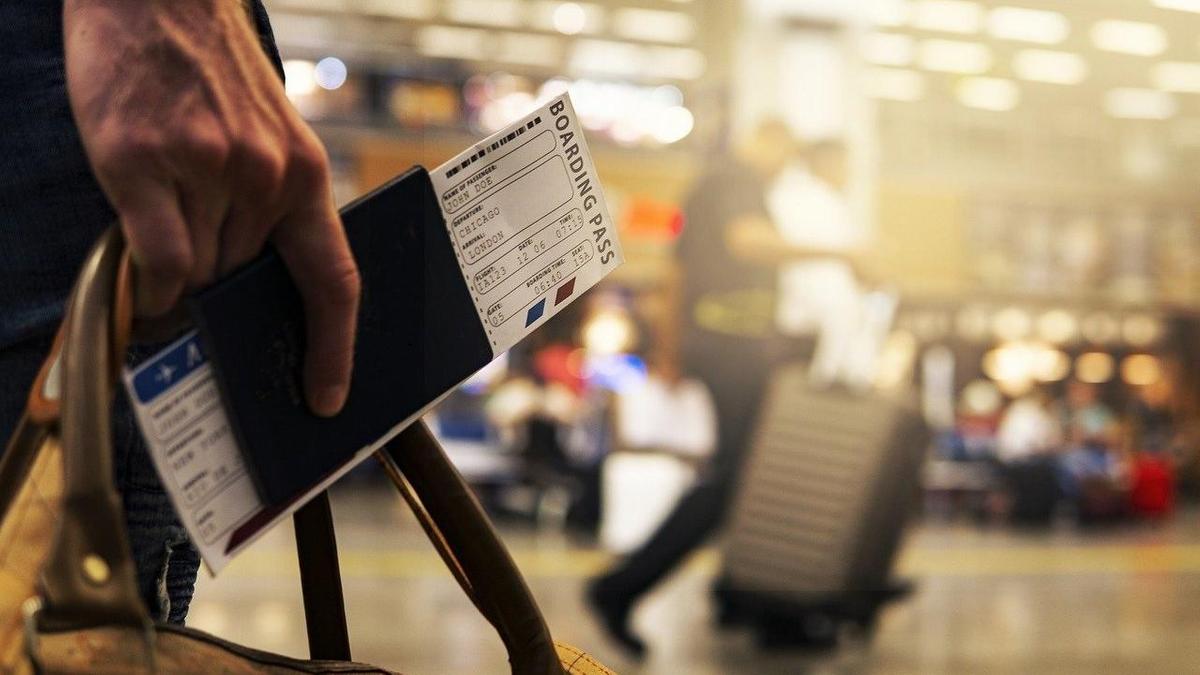
The cost of air travel in Kazakhstan has gone up again. A combination of factors is influencing pricing, including the rise in jet fuel prices and the increase in carriers' operating expenses, reports infohub.kz.
According to the Bureau of National Statistics, in July, air passenger transport services became 3.2% more expensive compared to June. Growth has been recorded since the beginning of the year: the most significant monthly spikes occurred in March and April — 6.6% and 5.4%, respectively. In annual terms, in July, prices rose by 10.8%, while a month earlier this figure was 8.8%.
Analysts explain that there are several reasons for the increase in flight costs: this includes the rise in aviation fuel prices at international airports during the peak holiday season, the increase in airlines' costs for engineering and technical maintenance, and other factors.
Despite the price increase, demand for air travel is not decreasing. From 2020 to 2024, the number of passengers carried increased from 5.5 million to 14.4 million people. In 2025 and the first half of 2026, the trend continued: in January–June 2026, 7.4 million passengers were carried (+2.6% compared to the same period last year), and passenger turnover grew by 7.9%, reaching 15.3 billion passenger-kilometers.
Revenues of air transport enterprises are also growing: in the first half of 2026, they increased by 15.9%. The main part of revenue (97.5%) comes from passenger transportation. At the same time, international flights bring more profit: in 2025, out of 959.9 billion tenge of income from passenger transportation, 578.9 billion tenge came from international destinations.
Against the backdrop of the overall positive dynamics of the industry, the financial indicators of Air Astana look noticeably weaker. In 2025, with revenue of 759 billion tenge, the company received just over 7 billion tenge in profit — 3.6 times less than a year earlier. In January–June 2026, the carrier already recorded a loss of 10.4 billion tenge with revenue of 371.2 billion tenge.
The reason was growing expenses. In 2025, the company's operating costs increased by 28.8%, and in the first six months of 2026 — by another 16.3%. Fuel and engineering maintenance costs grew especially.
Air Astana's report states: "The resulting loss is explained by persistently high jet fuel prices at international airports, the strengthening of the tenge, as well as costs associated with ongoing problems with Pratt & Whitney engines."
The company also reported an improvement in the situation with grounded aircraft. Air Astana CEO Ibrahim Zhanlyyel emphasized: "The situation with P&W engines has improved significantly. Currently, the number of grounded aircraft has decreased by about 60% compared to the same period last year, and we expect to completely eliminate such groundings by summer 2027."