

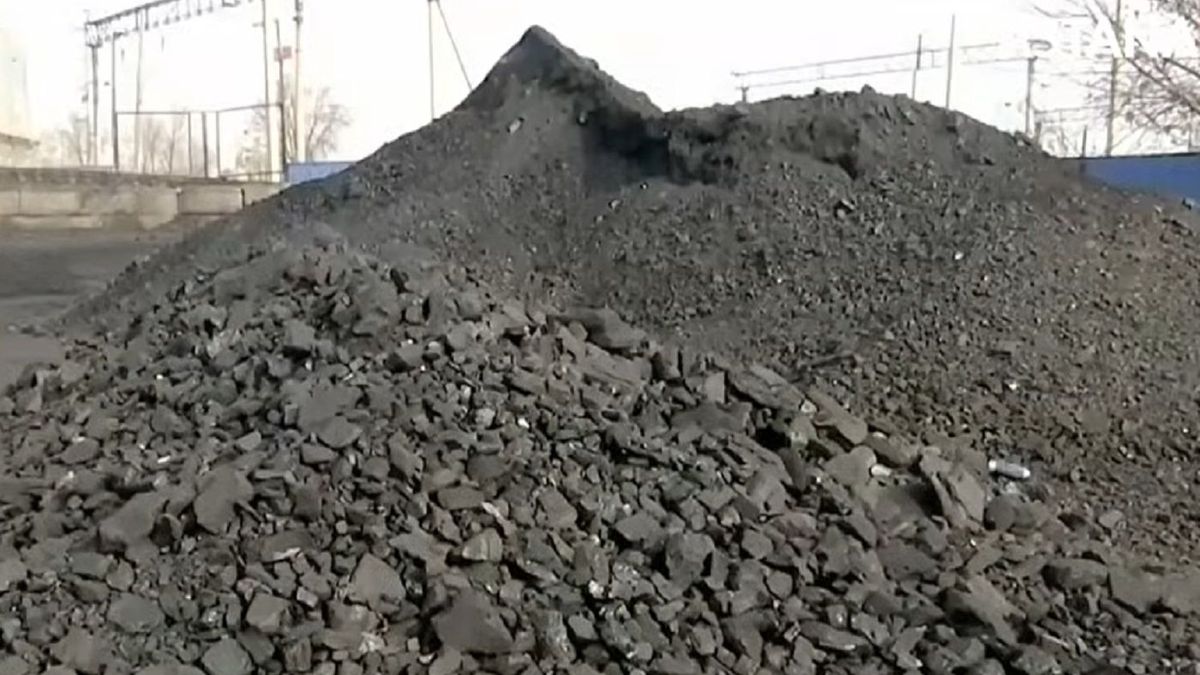
Preparing for the heating season in the Almaty Region is costing residents more this year: a ton of coal has risen in price by almost 5,000 tenge compared to last year and now costs around 24,000–27,000 tenge. The regional akimat responded to complaints from the population, reports infohub.kz.
According to Astana TV, rising prices for solid fuel are placing a serious burden on family budgets. Residents of the region are indignant that buying coal requires increasingly large expenses.
"I am a pensioner. How am I supposed to heat my home? I can't connect gas, so I have to buy coal. But it takes a lot of money," said Kulzhakhan Baiymbetova, a resident of the region.
Sellers explain the price increase by their own rising costs. According to them, suppliers raise the cost of coal by about a thousand tenge each year. For comparison: last year, a ton of coal in the Almaty Region cost an average of about 22,500 tenge. The final price depends on the location of the warehouse and delivery costs: the farther the point of sale is from railway lines, the higher the transportation costs, and with them the cost of fuel.
"Tariffs are rising, so we have to raise prices too. The main rush was at the end of September. Now coal is available, but there are not as many buyers," noted a worker at a coal depot.
According to the regional akimat, the Almaty Region needs 666,000 tons of coal for the upcoming heating season. To date, more than 370,000 tons have already been delivered. Supplies are promised to continue throughout the heating season.
"If residents complain about coal shortages, supply delays, or unjustified price increases, they are considered together with district and city akimats, as well as solid fuel suppliers. If facts of artificial price inflation or restriction of competition are identified, the relevant materials are sent to the Department of the Agency for the Protection and Development of Competition," explained the Almaty Region akimat.
The authorities assured that they are keeping the situation under control and monitoring prices for solid fuel.