

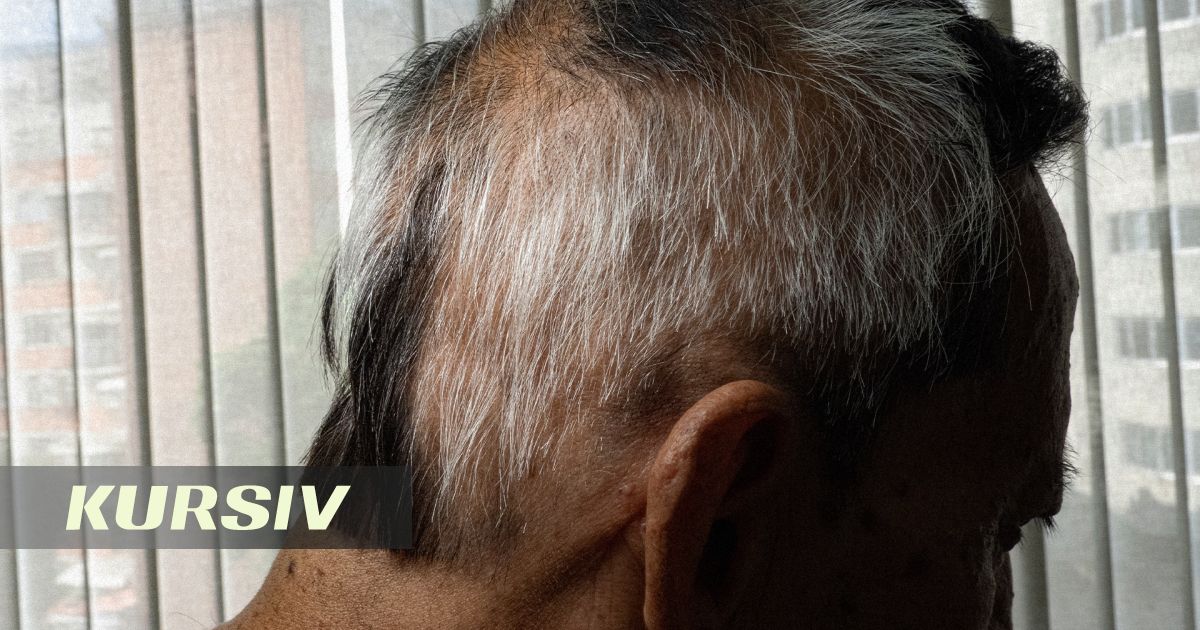
Around 160 million people worldwide suffer from alopecia areata, a condition that causes noticeable hair loss. Scientists in the U.S. have found that a drug already used to treat rheumatoid arthritis can restore a significant amount of hair in patients with severe forms of the disease, according to infohub.kz.
The findings were published in the journal JAMA Dermatology. Alopecia areata is a chronic autoimmune disease in which the immune system mistakenly attacks hair follicles, leading to hair loss. The condition can affect not only the scalp but also eyebrows, eyelashes, and other body areas.
A complete cure for alopecia areata is not yet possible. To manage the disease, corticosteroids and drugs that modulate the immune system, such as JAK inhibitors, are used. These block certain proteins involved in cell signaling and inflammatory responses.
The study involved nearly 1,400 adults and adolescents with severe alopecia areata. Participants received the drug upadacitinib at a dose of 15 or 30 mg once daily. This JAK inhibitor is already used to treat rheumatoid arthritis, ulcerative colitis, Crohn's disease, and atopic dermatitis.
The idea to use this drug for hair loss was not random: doctors noticed that some patients taking upadacitinib for other reasons experienced simultaneous hair regrowth.
After 24 weeks of treatment, about half of the participants taking 15 mg had at least 80% scalp hair coverage. In the 30 mg group, this result was observed in approximately 54% of participants. Additionally, patients saw improvements in eyebrow and eyelash growth, as well as better emotional well-being and social life.
"The goal of treating alopecia areata is not just to increase hair count but also to restore patients' confidence and quality of life," said the study's author, dermatologist Arash Mostaghimi.
In alopecia areata, the immune system attacks hair follicles. Upadacitinib blocks specific JAK signals involved in this abnormal immune response, thereby reducing the attack on follicles and promoting their recovery.
The results are promising, but there is still insufficient data on how long the hair regrowth lasts. Researchers need to determine whether the effect persists after a year or more.