

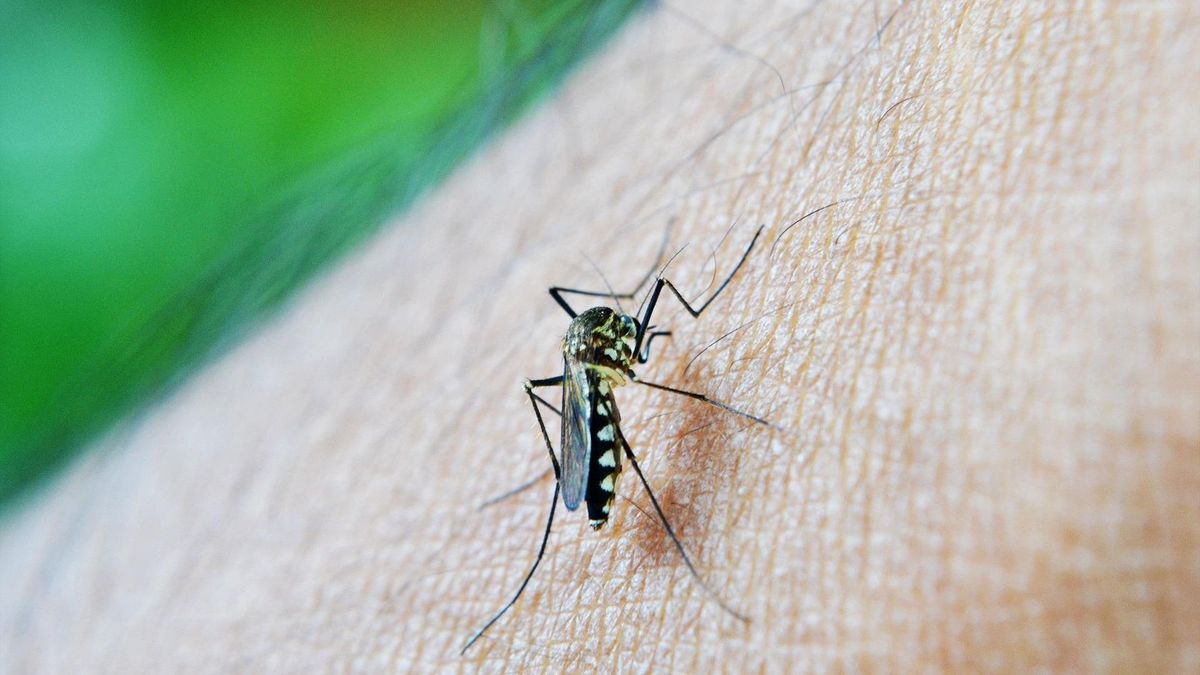
The Asian malaria mosquito Anopheles stephensi, a known vector of the disease, is rapidly spreading across African cities, alarming experts. This invasive species, originally from South Asia, shows resistance to insecticides and breeds prolifically in household water containers, reports infohub.kz.
Unlike native African mosquitoes that prefer rural areas, Anopheles stephensi has adapted well to life in densely populated cities. It uses artificial reservoirs, barrels, construction debris, and old tires for breeding, allowing it to thrive even during dry periods when other vectors are less active.
The situation is worsened by the species' high resistance to most chemical insecticides used in indoor spraying and on bed nets. Scientists and the World Health Organization warn that further spread of Anopheles stephensi could lead to large-scale malaria outbreaks among tens of millions of urban Africans.
To counter the threat, experts urge the adoption of new biological control methods and stronger sanitary oversight at international ports to prevent the further spread of this dangerous species.