

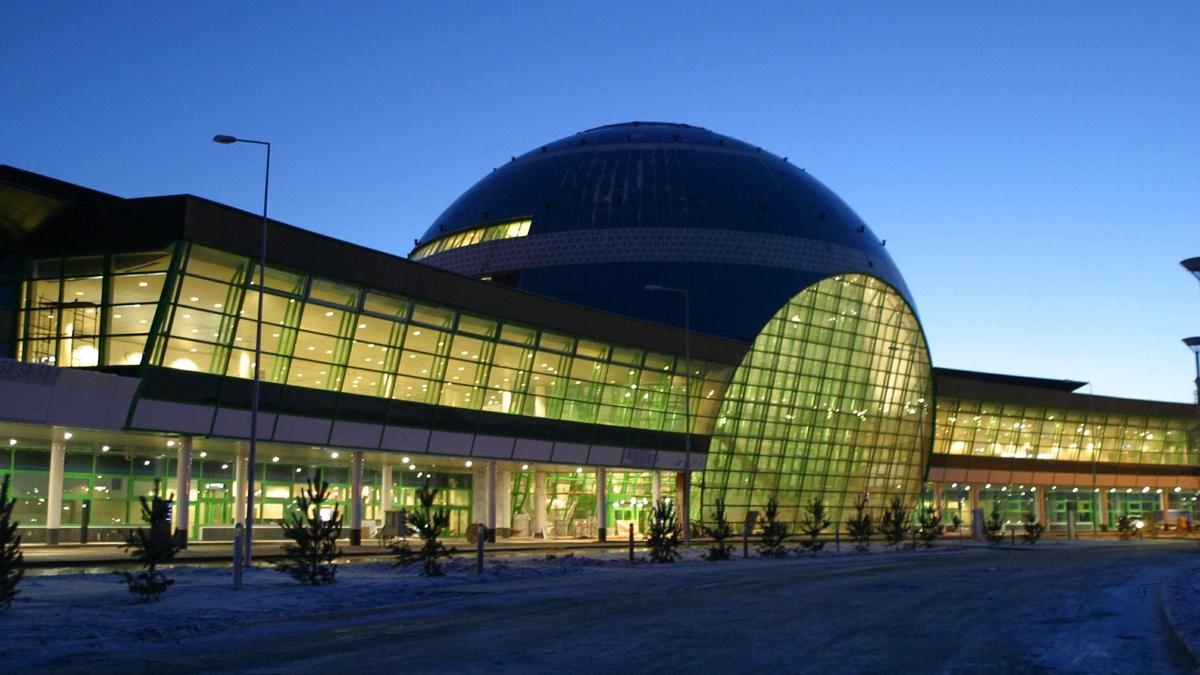
Astana International Airport ended 2025 with a loss of 6.9 billion tenge, according to infohub.kz.
According to the airport's press service, total revenue amounted to 4 billion tenge, while uncovered losses accumulated from previous years reached 36 billion tenge. To address the situation, the airport's management has launched an anti-crisis program.
The program includes assessing the economic feasibility and break-even of current tariffs based on actual service costs, improving operational efficiency, and utilizing the enterprise's internal reserves. Given changes in the aviation fuel sales model, the main focus is on improving financial results through operational activities.
Despite the loss in 2025, the airport has shown positive dynamics in key production and commercial indicators this year. However, operations in the first half were negatively affected by runway repairs that limited daytime operations, rising aviation fuel costs, and the cancellation of some international flights due to the situation in the Middle East, which led to about 1,100 flight cancellations.
From January to July 2026, the airport served 5.4 million passengers, compared to 5.3 million in the same period last year, marking a 1.3% increase in passenger traffic. The number of domestic flights over seven months exceeded 25,000 (compared to 24,000 a year earlier), an increase of about 2%. International flights rose from 12,000 to 12,400, up more than 3%.
As part of anti-crisis measures, the main emphasis will be on improving operational efficiency and developing commercial areas. Particular attention will be paid to strengthening cooperation with airlines to expand the route network. Plans include increasing margins, improving service profitability, refining tariff policies, and reducing costs through technology optimization and rational resource use. Work has already begun on optimizing production, economic, and management processes.
The main goal of management is to bring the airport's financial and economic activities to a break-even level and ensure a sustainable foundation for further development.