

Astana is gearing up for the autumn-winter season and the anticipated rise in acute respiratory viral infections (ARVI) and flu cases. Vaccination of residents is set to begin in mid-September, according to infohub.kz.
Starting September 15, Kazakhstan will launch its flu vaccination campaign. Priority will be given to at-risk groups: healthcare workers, people with chronic diseases, children and schoolchildren, pregnant women, the elderly, and residents of closed institutions and social care facilities.
City medical facilities have already set up triage and emergency care rooms to receive patients with ARVI symptoms. These rooms will offer examinations and necessary assistance. Their working hours are: weekdays from 8:00 AM to 8:00 PM, weekends and holidays from 8:00 AM to 6:00 PM.
Additionally, primary healthcare organizations have mobile teams providing home care. Special attention is given to pregnant women and children under one year old with ARVI, flu, or potential complications.
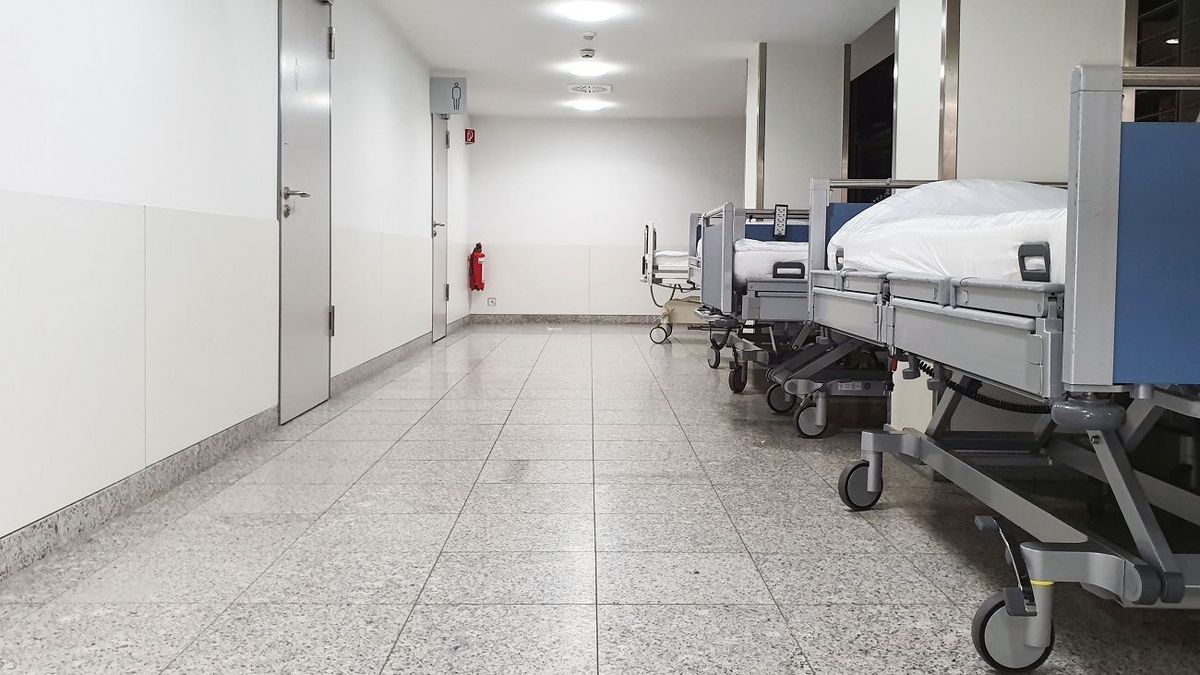
Hospitals have also developed contingency plans for a potential surge in hospitalizations. They include opening additional infectious disease beds, stocking up on medications, and continuously monitoring bed occupancy. If infectious and intensive care beds reach a certain occupancy threshold, extra beds will be set up.
Educational institutions are also taking measures. Schools and kindergartens conduct daily attendance monitoring and a "morning filter." If sick children are found, medical observation is organized for those who came into contact with them. If 30% or more of students in a class fall ill, the class may switch to distance learning.
The sanitary and epidemiological service will assess the readiness of medical organizations for the epidemic season by September 10. Monitoring of ARVI, flu, and COVID-19 incidence is ongoing, with enhanced control during the seasonal peak.
Doctors urge residents to follow basic preventive measures: wear masks in crowded places, wash hands regularly, ventilate rooms, and limit visits to crowded areas during the outbreak. At the first signs of illness—fever, cough, sore throat, runny nose, or weakness—do not self-medicate. Residents are advised to promptly contact their local clinic or triage room.