

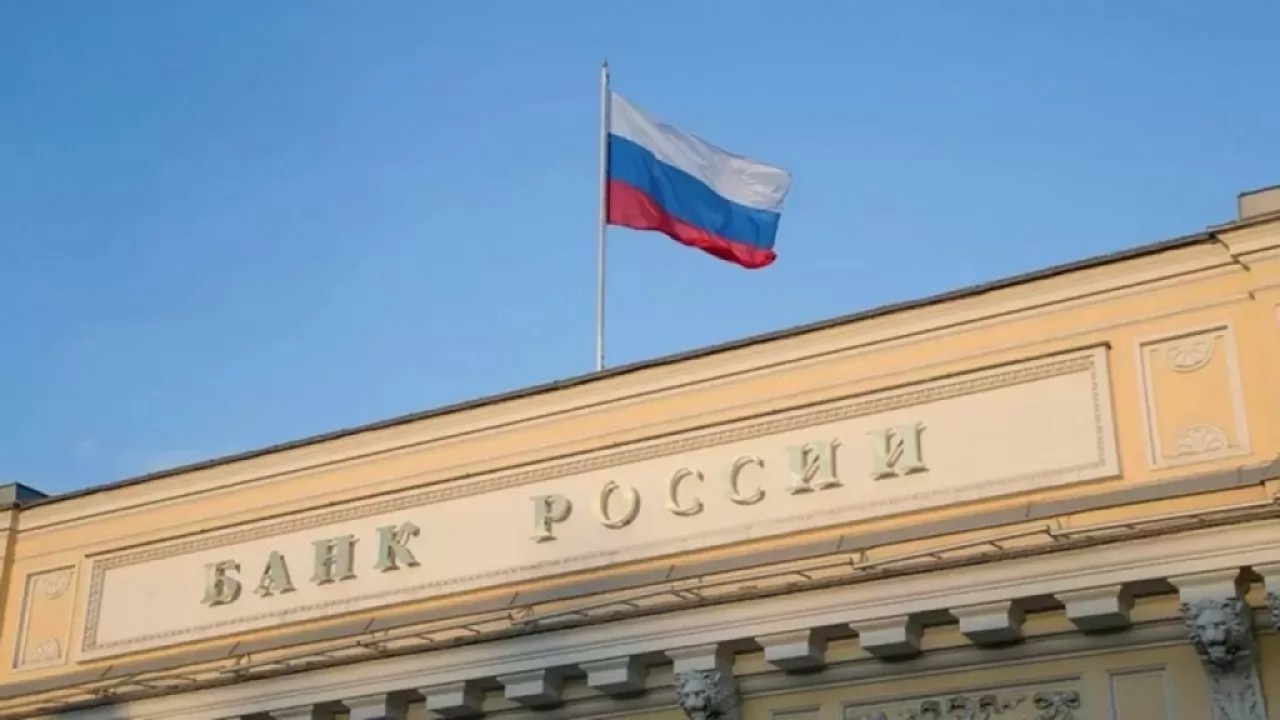
The Bank of Russia unexpectedly cut its key rate to 14%, defying expectations from most analysts who had forecast a pause amid accelerating inflation and rising fuel prices, reports infohub.kz.
At its July 24 meeting, the central bank's board cut the rate by 25 basis points. This marks the tenth consecutive reduction, though the last two cuts have been smaller — 25 basis points versus 50 previously — signaling the central bank's cautious approach.
The central bank attributed the decision to the view that much of the recent inflation acceleration stemmed from temporary factors. It estimated that underlying price growth remains in the range of 4–5% on an annual basis, and the economy continued to expand moderately in the second quarter.
The decision surprised markets: out of 30 analysts in an RBC consensus forecast, 26 had expected the rate to remain at 14.25%. Only a few had anticipated a 25-basis-point cut.
A key factor of uncertainty was rising fuel prices. In June, inflation exceeded 6%, with significant contributions from gasoline, diesel, and some food categories. Fuel prices continued to rise in July, though the pace of increase slowed toward the end of the month.
Despite the rate cut, the Bank of Russia worsened its inflation forecast for 2026: it now expects price growth of 6–7%, up from the previous forecast of 5.1–5.6%. The main reason cited is the jump in fuel prices.
Household inflation expectations rose to 14.7%, the highest since spring 2022. Companies also grew more pessimistic, with their expectations reaching the highest since early 2026.
The central bank warned that high inflation expectations could hinder a sustained slowdown in price growth. Future rate decisions will depend on actual inflation, household and business expectations, and external and domestic risks.
The regulator revised its forecast for the average key rate: for 2026, it expects a range of 14.5–14.6%, and for 2027, 10.5–12.5%.
The tight monetary policy has already taken a toll on the economy: GDP contracted by 0.2% in the first quarter. Sberbank CEO German Gref earlier spoke of an "overcooling" of the economy due to high rates. Business activity in July fell to its lowest since spring 2022.