

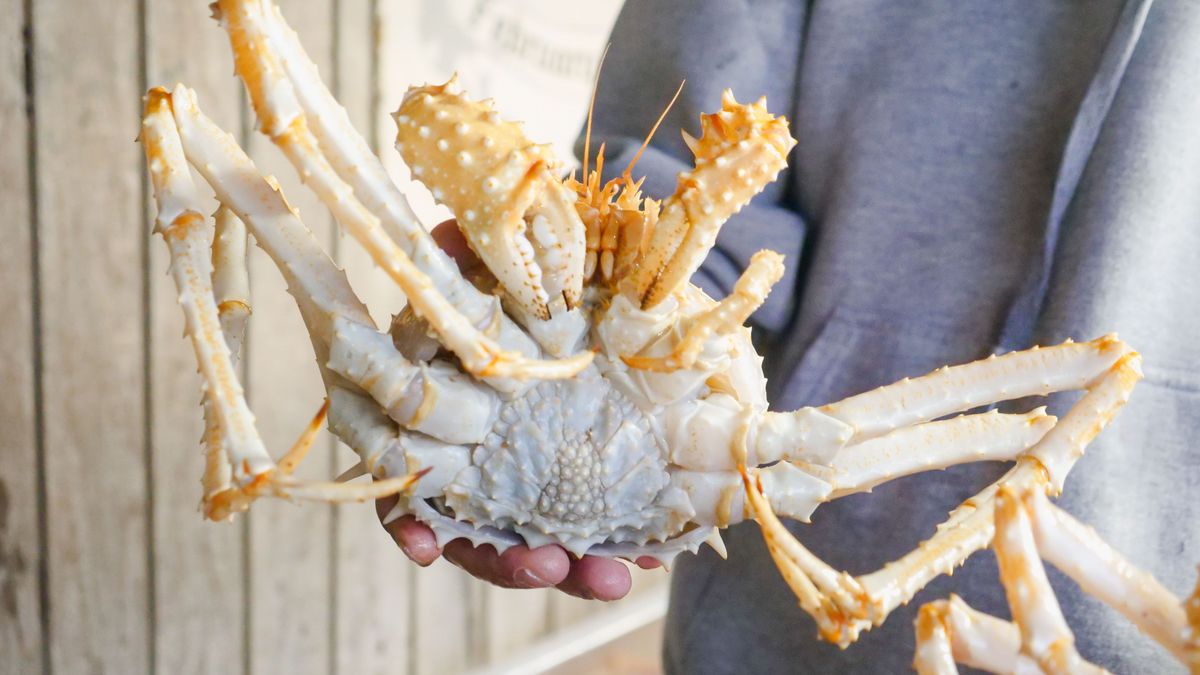
In 2018 and 2019, a sharp rise in water temperatures in the Bering Sea triggered one of the largest mass die-offs of marine species on record. A significant share of the snow crab population, the backbone of Alaska's fishery, disappeared, infohub.kz reports.
Several years later, scientists at the U.S. National Oceanic and Atmospheric Administration found that the vacated niche is being actively filled by hybrids — the offspring of snow crabs crossed with the more warm-water-tolerant Baird's crab. Earth.com reports.
Researchers have been surveying these crustaceans since 1988, and the share of hybrids among large males had never before exceeded 10 percent. In 2025, however, the figure reached 41.7 percent — 13 times the long-term norm.
Using computer models, the biologists determined that the hybrid boom was driven not by the warm water itself but by the disappearance of their main competitors. Under normal conditions, snow crabs kept hybrid and Baird's crab numbers in check by competing with them for food or eating their young.
The discovery raises the question for Alaska's authorities of revising fishing rules for a fishery worth hundreds of millions of dollars a year. Hybrids are currently counted within the overall snow crab quotas, even though the population of large males of the main species is recovering slowly.
According to lead researcher Erin Fedewa, catching more hybrids within current limits could ease the pressure on the weakened snow crabs.