

Almaty blogger Sanat Aueltay conducted an independent fuel quality check at four major gas station chains in Kazakhstan: Helios, Sinooil, Qazaq Oil, and Royal Petrol. He purchased samples of AI-92, AI-95, and AI-98 gasoline and measured their octane numbers using a portable octane meter, reports infohub.kz.
The blogger published the results in a video on his social media channels. The readings were mixed: in some samples, the octane number matched the stated value, while in others it deviated higher or lower.
The first station tested was Royal Petrol. There, AI-92 showed an octane number of 93, AI-95 showed 97, and AI-98 showed 104. According to open sources, a reading of 104 for AI-98 may indicate that the fuel's actual knock resistance is higher than stated. However, portable octane meter results can also be influenced by measurement method specifics, additives, and temperature.
It's important to note that the octane number does not reflect overall fuel quality—it only characterizes knock resistance. Therefore, AI-95 with a reading of 97 or AI-92 with 93 is not necessarily high-quality fuel; it may contain impurities or poor-quality additives.
At Helios, the blogger tested AI-92, AI-95, and AI-95 Prime, with results of 90, 95, and 96, respectively. In the comments under the video, the company's representatives asked the author to provide contact details. "We will definitely look into it," they wrote.
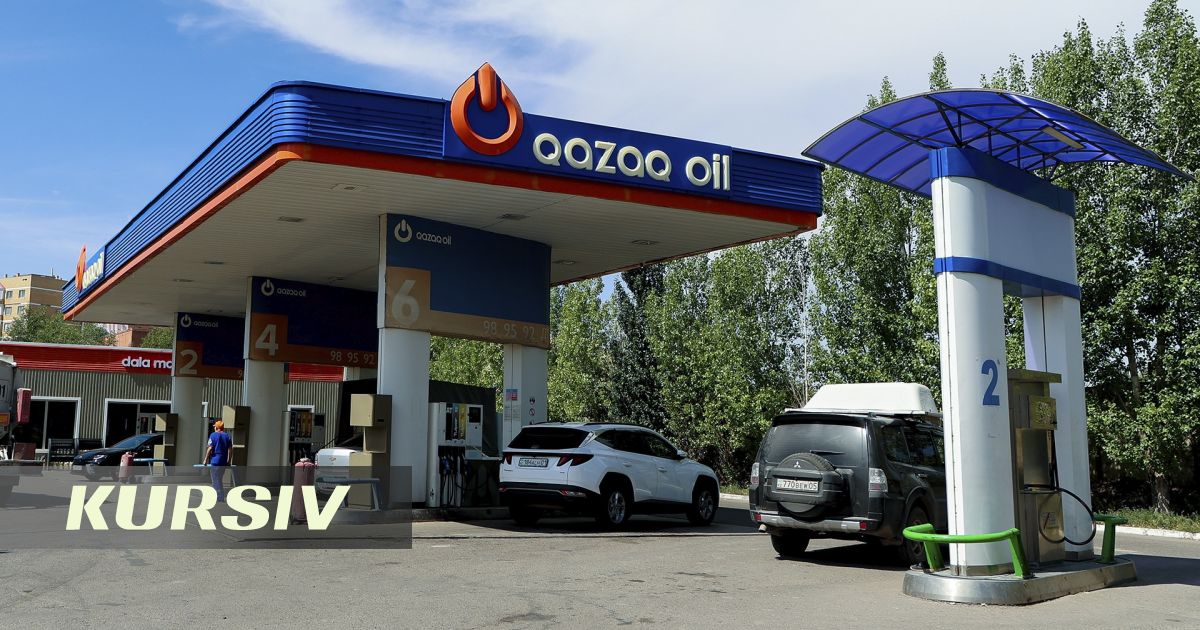
At Sinooil, AI-92 showed 91, AI-95 showed 96, and AI-98 showed 105. Finally, at Qazaq Oil, the octane numbers were 91 for AI-92 and 97 for AI-95 (Tulpar-95).
The blogger promised to continue testing at other gas stations in Almaty. Previously, Kursiv Avto reported on a Tyumen journalist comparing gasoline in Kazakhstan and Russia.