

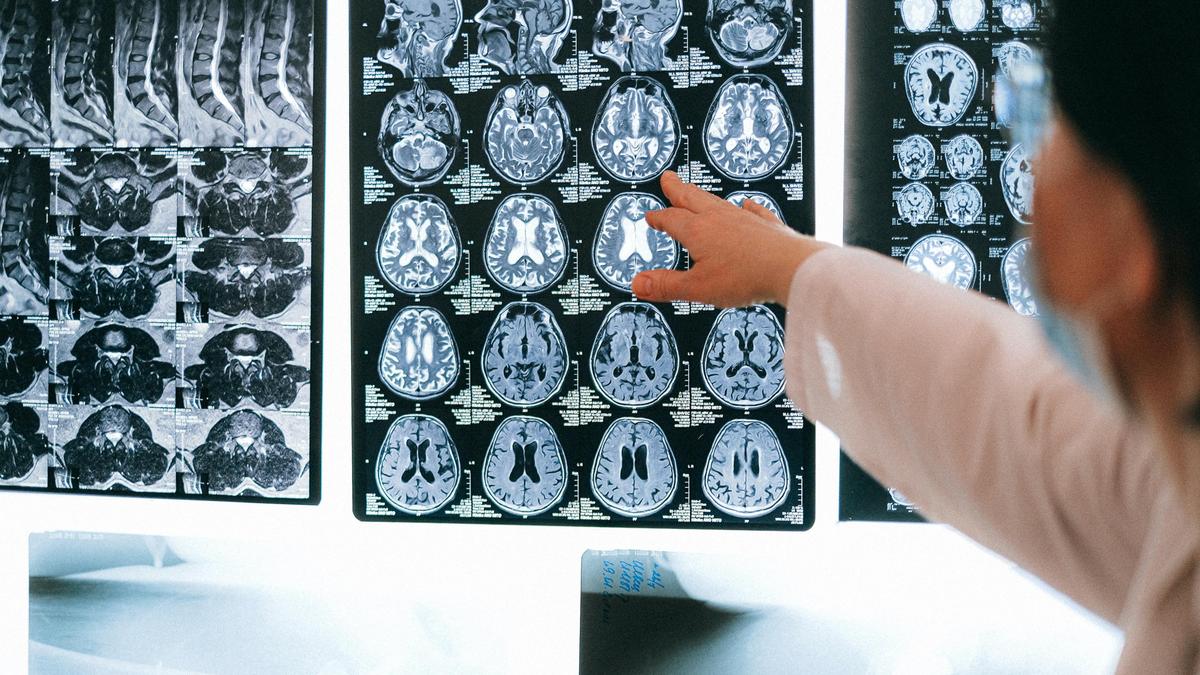
Researchers in the United States have discovered that around age 50, the brain undergoes a major reorganization of its immune system, which may explain the link between aging and the development of dementia, according to the website infohub.kz.
Specialists from the University of California, San Diego, the New York Genome Center, and the University of California, Irvine, examined hippocampal tissue from 40 healthy individuals aged 20 to 95. The hippocampus is the brain region responsible for learning and memory.
They found that between ages 50 and 75, the number of microglia—the brain's primary immune cells—gradually declines. They are replaced by cells with high levels of inflammatory signals, similar to cells from peripheral blood. Previously, it was believed that microglia are formed during embryogenesis and only self-renew throughout life.
The team analyzed gene activity and the three-dimensional structure of the genome. According to the study's lead author, Nathan Zemke, combining these methods revealed a shift in the origin of immune cells. The researchers also noted disruptions in the blood-brain barrier.
As co-author Bing Ren noted, these processes explain how aging creates conditions conducive to Alzheimer's disease. In the future, this discovery could help develop methods to preserve brain function.