

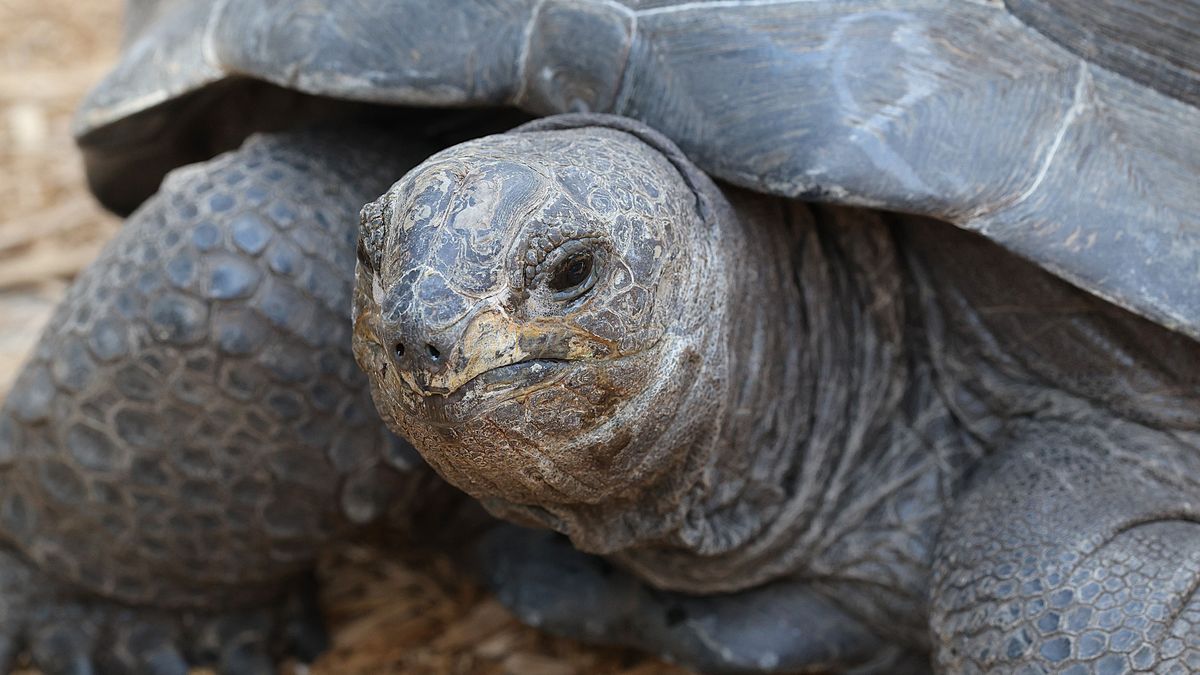
The world's oldest land animal, a giant tortoise named Jonathan, still resides on the island of St. Helena, and researchers continue to try to unlock the genetic mechanisms behind his longevity, according to infohub.kz.
By rough estimates, Jonathan hatched in 1832. Over his lifetime, he has witnessed the reigns of dozens of British monarchs and world leaders. In 1882, the tortoise was brought from the Seychelles to St. Helena, where he lives to this day.
Despite his advanced age, cataracts that have impaired his vision, and a lost sense of smell, Jonathan retains an excellent appetite and leads an active life.
The special scientific interest in Jonathan stems from the fact that giant tortoises are virtually immune to aging as we know it. Their cells possess unique protection against DNA damage and cancer. Researchers hope that decoding the genome of these long-lived creatures will help find new ways to combat age-related diseases in humans.
Over nearly two centuries, Jonathan has lived through not only numerous historical events but also periodic media rumors of his own death. Today, veterinarians monitor the famous island resident around the clock, providing him with a special diet of fresh vegetables and fruits.