

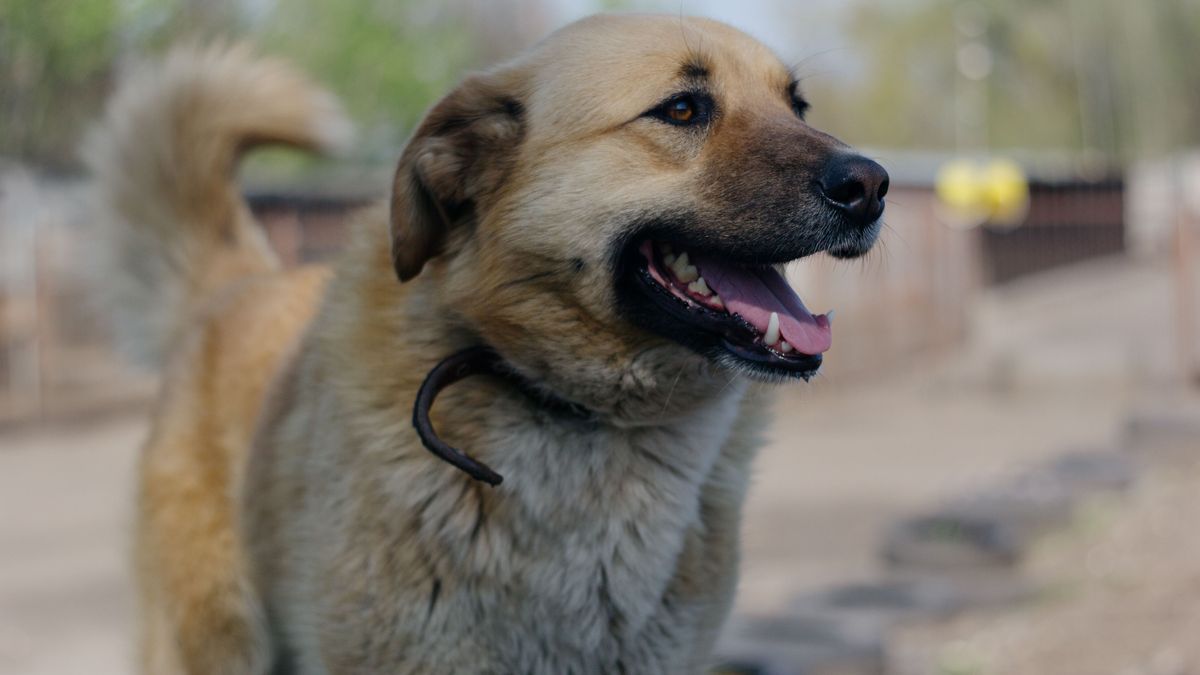
Geneticists have identified more than 100 regions of the genome showing signs of directed selection in feral dogs living in the exclusion zone around the Chernobyl Nuclear Power Plant. These are not radiation-induced mutations but signs of natural selection, the website infohub.kz reports.
The study was conducted by specialists from North Carolina State University who examined the animals' DNA. Directed selection is the process by which hereditary traits useful for survival become fixed in subsequent generations. Notably, the identified regions are responsible for repairing damaged DNA molecules, tumor development and the functioning of the immune system.
The scientists compared two groups of local animals: the population near the plant itself and dogs from the city of Chernobyl, located just 16 kilometers away. The city animals turned out to be genetically close to populations from Eastern Europe. The dogs directly from the plant's industrial site, however, had a unique set of genes that set them far apart even from isolated dogs of the Galapagos Islands.
The study's authors note that radiation is unlikely to have changed the animals' genome directly. Most likely, in the harsh conditions after the accident, only those individuals that already possessed the necessary protective properties of the body were able to survive. It was these innate characteristics that helped the ancestors of today's dogs adapt to the toxic environment and pass on resilience to their offspring.