

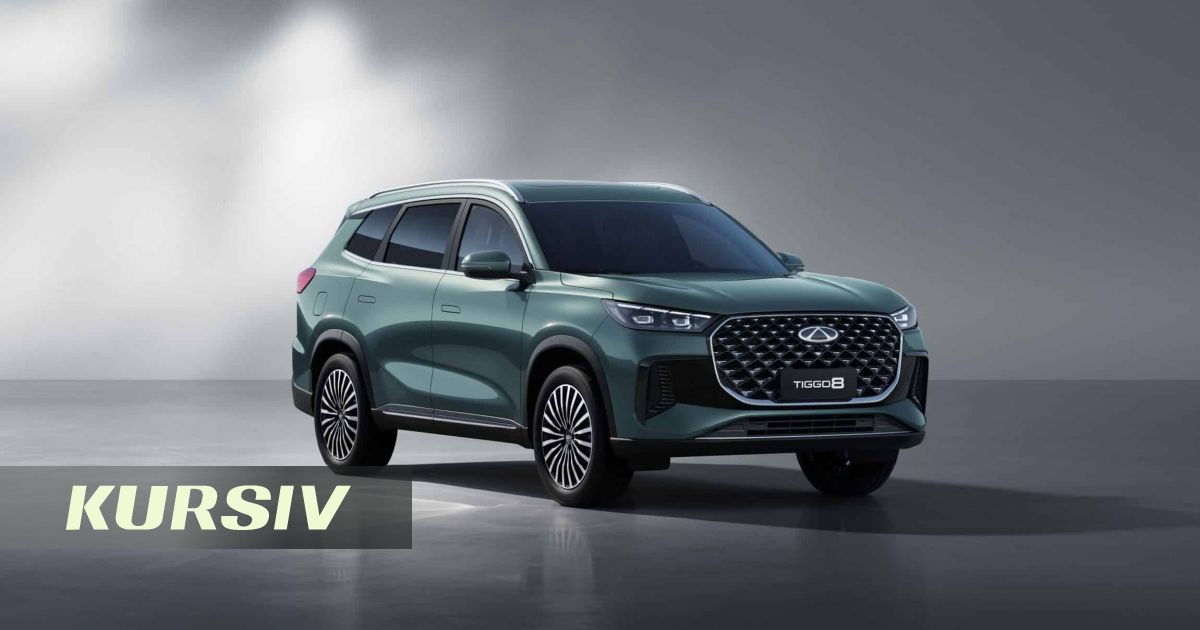
Chinese automaker Chery continues to rapidly strengthen its position in the European market. Less than a year after entering the UK market, the brand has already captured about 2% of the market, and in July it managed to sell more cars than Honda and Mazda combined, according to data from the British association SMMT, as reported by infohub.kz.
In July, Chery registered 3,212 new vehicles in the UK. For comparison, Honda sold 1,362 cars, while Honda and Mazda together sold 2,912.
Additionally, the Chinese brand outpaced Citroen, Dacia, Suzuki, and several other long-established manufacturers in the UK market.
Since September last year, when Chery began delivering cars to local customers, the company has registered nearly 21,200 vehicles. That's more than Citroen, which has been present in the UK for over a century and has sold 18,300 cars since the start of the year.
The statistics look even more impressive when including sibling brands Omoda and Jaecoo, also part of the Chery group. In July, Omoda registered 3,403 vehicles, and Jaecoo registered 5,502. In total, the three brands sold 12,117 cars.
For comparison, Toyota sold 6,653 vehicles in the UK in the same month, while Volkswagen sold 14,054. In other words, the combined sales of Chery, Omoda, and Jaecoo are now nearly on par with the German giant and almost double Toyota's result.
Jaecoo deserves special attention. Its Jaecoo 7 crossover, which has been unofficially dubbed the "Temu Range Rover" online for its resemblance to the British SUV, previously became the first Chinese car to top the monthly sales ranking in the UK.
Chery's rapid growth shows how quickly Chinese automakers are strengthening their positions in the European market. Just a year ago, the brand was virtually unknown to British buyers, and today it competes with manufacturers that have been operating in the country for decades.
Carscoops also reminds that Ford CEO Jim Farley previously warned that despite existing tariffs and restrictions, Chinese brands could enter the US market within the next 5-10 years. If their expansion is as rapid as in the UK, competition for traditional automakers will intensify significantly.