

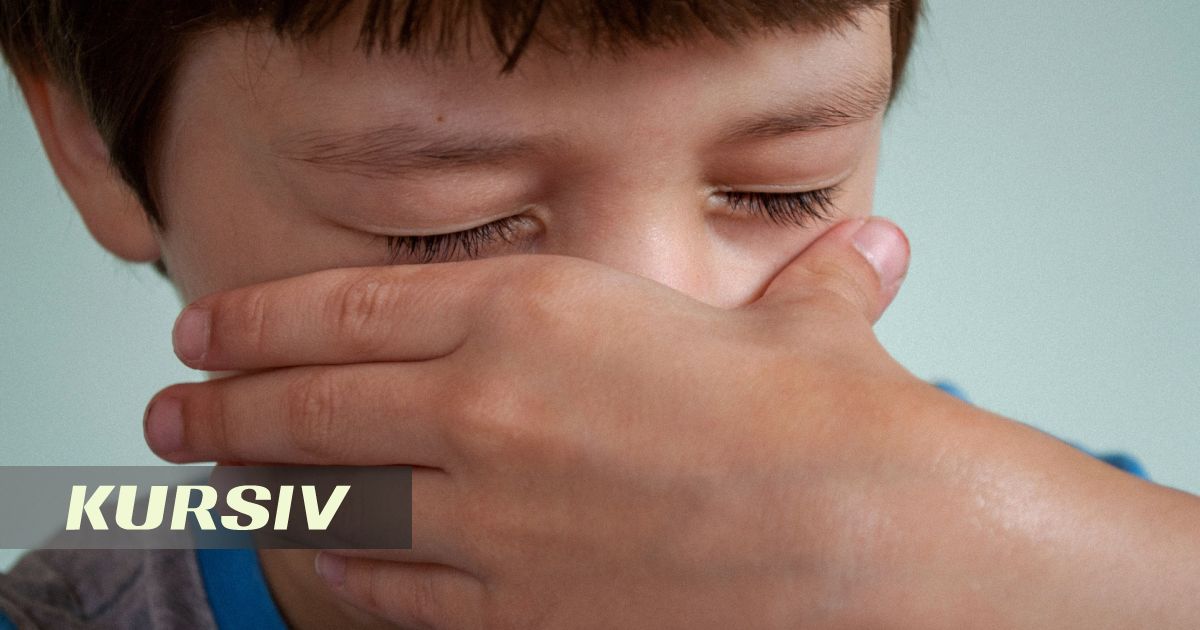
Nosebleeds in children can alarm any parent, but specialists note that they don't always signal serious health issues. Pediatrician Nurzhamal Aubakirova from Kazakhstan has identified five main factors that trigger this condition and offered advice on nasal care, as reported by infohub.kz.
According to the expert, the most common cause of nosebleeds in children is excessively dry indoor air. This leads to crust formation in the nose, which children often try to remove, damaging blood vessels. In such cases, it's important to maintain optimal humidity levels at home and use moisturizing products for the nasal mucosa, such as Aquamaris.
The second common factor is viral infections. During illness, blood vessels become more fragile, increasing the risk of bleeding. In this case, the pediatrician advises limiting treatment to saline nasal rinses.
The third cause lies in the improper use of vasoconstrictor drops, such as Nazivin or Otrivin. They should be used no more than three times a day and for no longer than five consecutive days. Uncontrolled use of hormonal nasal sprays can also trigger bleeding—they should be used strictly as prescribed by a doctor and for a limited time.
The fourth cause is nasal trauma or the presence of foreign bodies. If there is purulent discharge, bleeding from only one nostril, and unilateral congestion, the child must be seen by a doctor.
The fifth cause, according to the pediatrician, is deficiency conditions, particularly iron and vitamin D deficiency. These make blood vessels fragile and contribute to frequent nosebleeds. Therefore, it's important to ensure a balanced diet for the child.
Nurzhamal Aubakirova emphasizes: if the bleeding stops quickly and is not accompanied by symptoms such as weight loss, lethargy, or weakness, there is no cause for concern. Otherwise, a specialist consultation is necessary.
Earlier, the doctor also noted that popular medications 'Stopdiar' and 'Enterofuril' are ineffective for vomiting and diarrhea in children.