

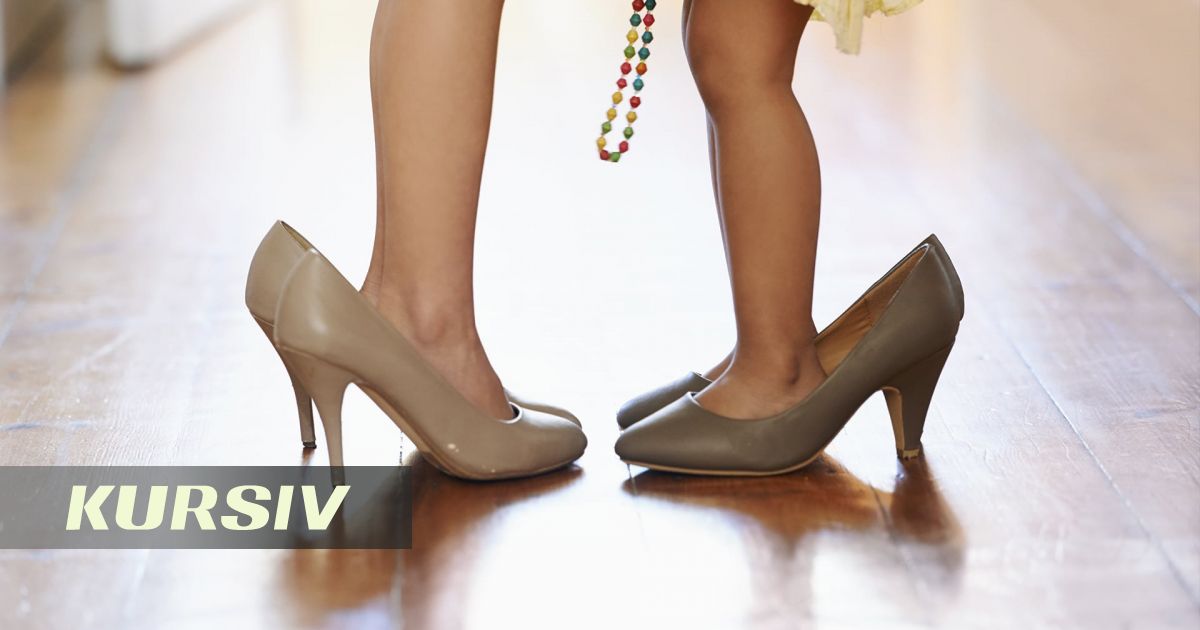
Buying children's shoes a couple of sizes ahead is a popular way to save money, but the habit can lead to serious health problems. Orthopedist Sergey Krasilnikov warns that shoes bought too big disrupt foot development and can cause flat feet, according to infohub.kz.
"What do I think of the advice to buy children's shoes with room to grow? As an orthopedist, I'm against it. A child's foot is still forming until about age seven. At that age, it's important that shoes fit snugly; if they're loose, the child can't push off properly when walking. The foot muscles don't work correctly," the doctor explains.
According to the orthopedist, the foot isn't properly supported, which means the arch forms incorrectly. On top of that, in such shoes a child trips over the toe, raising the risk of falls.
"Shoes like these change a child's gait. That's because the child turns the foot inward so the shoe doesn't slip off. On top of that, blisters and chafing appear. And that means constant discomfort," he notes.
The doctor stresses that for children who are already walking, shoes can have about 1–1.5 centimeters of extra room (roughly one size). For toddlers — no more than 0.5 cm. For winter shoes — up to 1.5 cm, allowing for socks.
Checking how much room is left in a child's shoe is very simple. The doctor advises slipping a finger between the heel and the back of the shoe. If the finger goes in with some effort and there is about 1 cm between the big toe and the toe of the shoe, the size is right.
"Saving money on a child's shoes isn't saving — it's a risk of flat feet, deformed toes and gait problems for life. Buy shoes that fit. Check them every two to three months — children grow fast," he says.
Krasilnikov previously explained why your favorite shoes can start to feel tight.