

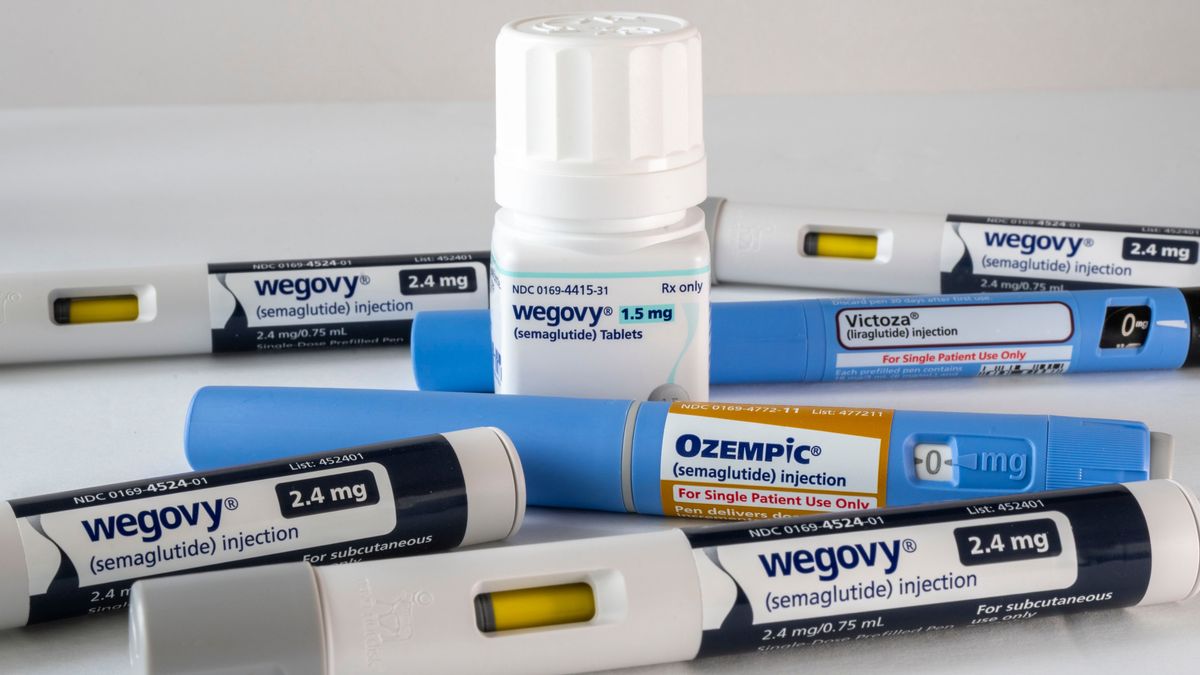
Scientists have discovered that popular weight-loss and type 2 diabetes drugs, such as Ozempic and Wegovy, can suppress alcohol dependence and overeating. This occurs through their effect on the lateral septum of the brain, which is responsible for forming mental images and perceiving rewards, reports infohub.kz.
Previously, researchers linked the formation of addictions to dopamine centers in the brain—the ventral tegmental area and the nucleus accumbens. However, these areas almost lack GLP-1 receptors, prompting specialists to look for a different mechanism of action.
The lateral septum turned out to play a key role. This structure contains the highest concentration of GLP-1 receptors and receives information from the hippocampus, connecting spatial memories with pleasure stimuli. It is the lateral septum that allows a person to mentally visualize vivid images of desired food or drink, activating the dopamine system.
Experiments showed that activating GLP-1 receptors in this area significantly reduces food and alcohol consumption in laboratory animals by blocking the transmission of reward signals. This discovery could help develop new treatments for obesity and addictions.
Important information: This material is for informational purposes only and is not a guide to action. Ozempic, Wegovy, and their analogs are serious prescription medications with a wide range of contraindications and side effects. Using these drugs without a doctor's prescription can seriously harm your health. Before starting any treatment or taking any medication, be sure to consult a qualified physician.