

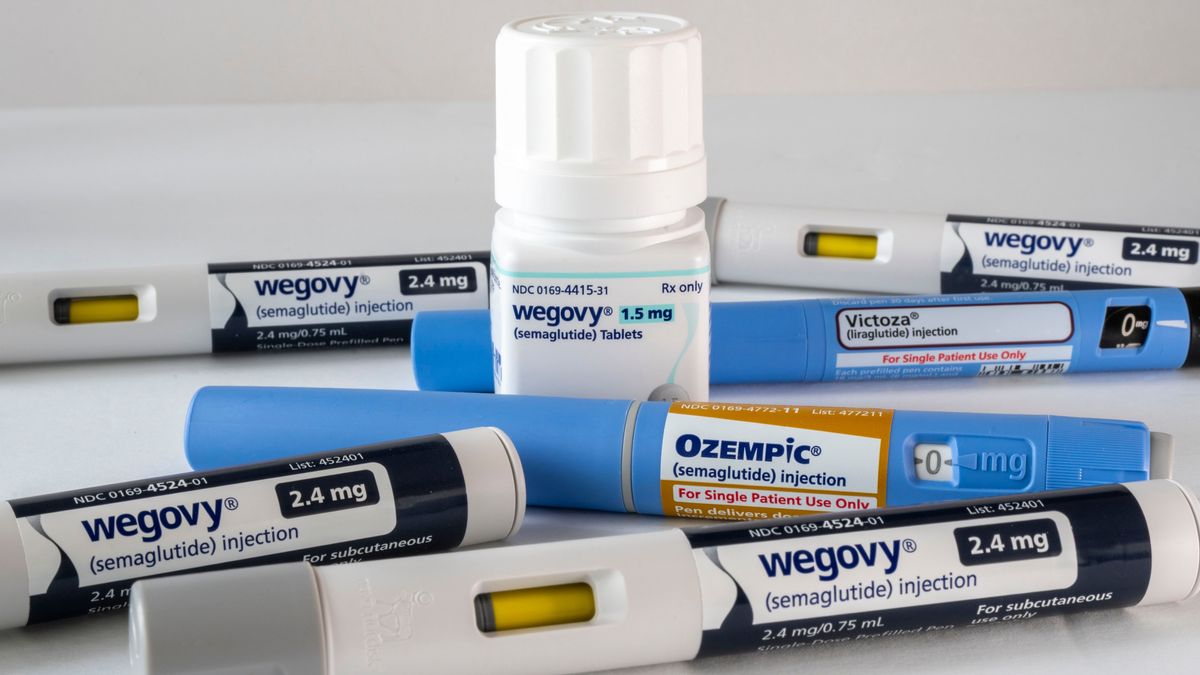
Scientists have found that GLP-1 receptor agonists, used to treat type 2 diabetes and obesity, may reduce cravings for alcohol, nicotine, and opioids, reports infohub.kz.
According to data published in the Journal of Clinical Investigation, these drugs act on shared neuroendocrine mechanisms that regulate appetite, motivation, and the brain's reward system, making them promising for treating substance use disorders.
Preclinical animal studies and randomized human trials have shown that semaglutide, liraglutide, and exenatide reduce consumption of alcohol, nicotine, and opioids. The most compelling results were for semaglutide in three trials involving patients with alcohol dependence.
The proposed mechanism involves modulation of dopamine transmission in the mesolimbic system, which dampens the pleasure derived from substance use. An advantage of these drugs is their proven safety and their ability to simultaneously improve comorbid conditions such as liver and cardiovascular diseases.
The authors emphasize that the clinical evidence base is still emerging: effects vary by dosage, and the impact on stimulant or cannabis addiction has not been studied. Further large-scale research is needed to determine optimal treatment duration.
Important: This material is for informational purposes only and is not a guide to action. The drugs Ozempic and Wegovy are serious prescription medications with contraindications and side effects. Use without a doctor's prescription may harm your health. Consult a specialist before starting treatment.