

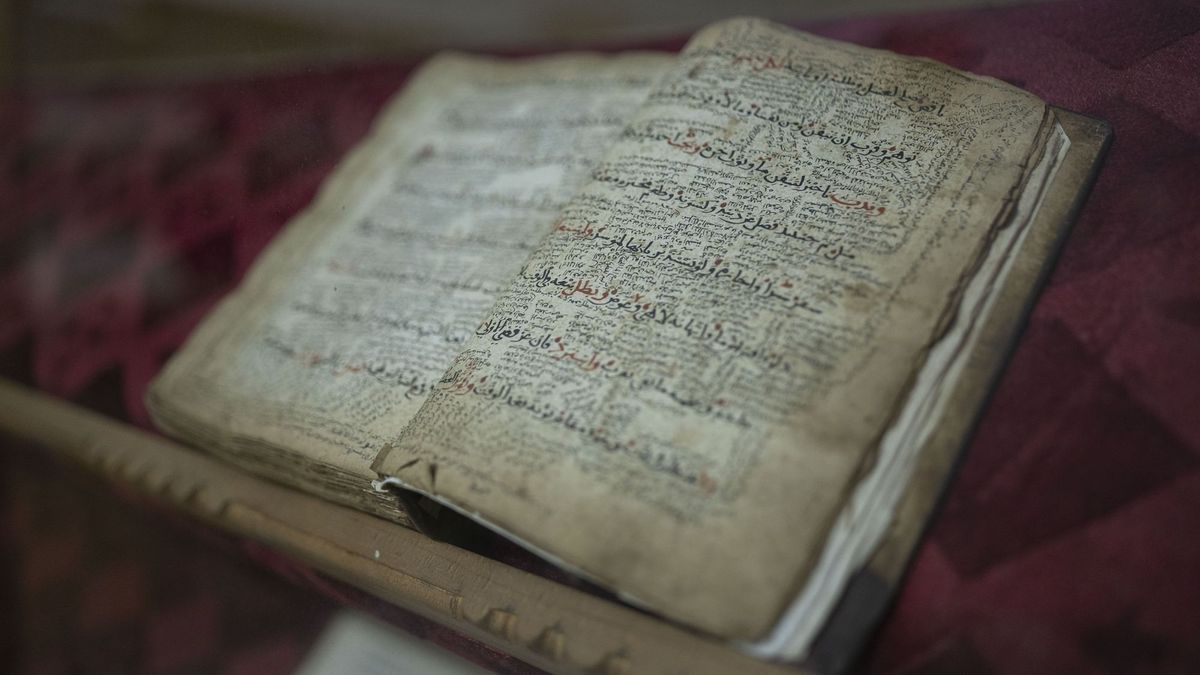
Researchers have developed an innovative method to extract genetic material from historical parchments without damaging the ancient manuscripts. This technology opens new possibilities for studying the history of animal husbandry and trade, reports infohub.kz.
A team of scientists from North Carolina State University, led by Tim Stinson and Matthew Brin, presented a safe way to collect DNA from the surface of parchments. The method was successfully tested on 91 manuscripts dating from the 8th to the 20th century from the collection of Duke University's library. The samples came from various regions, including England and Ethiopia.
The essence of the method lies in gently wiping the parchment with a dry cytology brush, which collects cells from the surface without damaging the document's structure. The collected biomaterial is then analyzed using next-generation sequencing technologies, allowing for the identification of genetic sequences.
The new approach, described in the journal Manuscript Studies, gives researchers the opportunity to study the evolution of domestic animals, the development of breeds, the spread of livestock diseases, and the history of trade over the past 1,300 years. Since the method poses no risk to artifacts, archives and museums will be able to more actively provide valuable manuscripts for scientific analysis.