

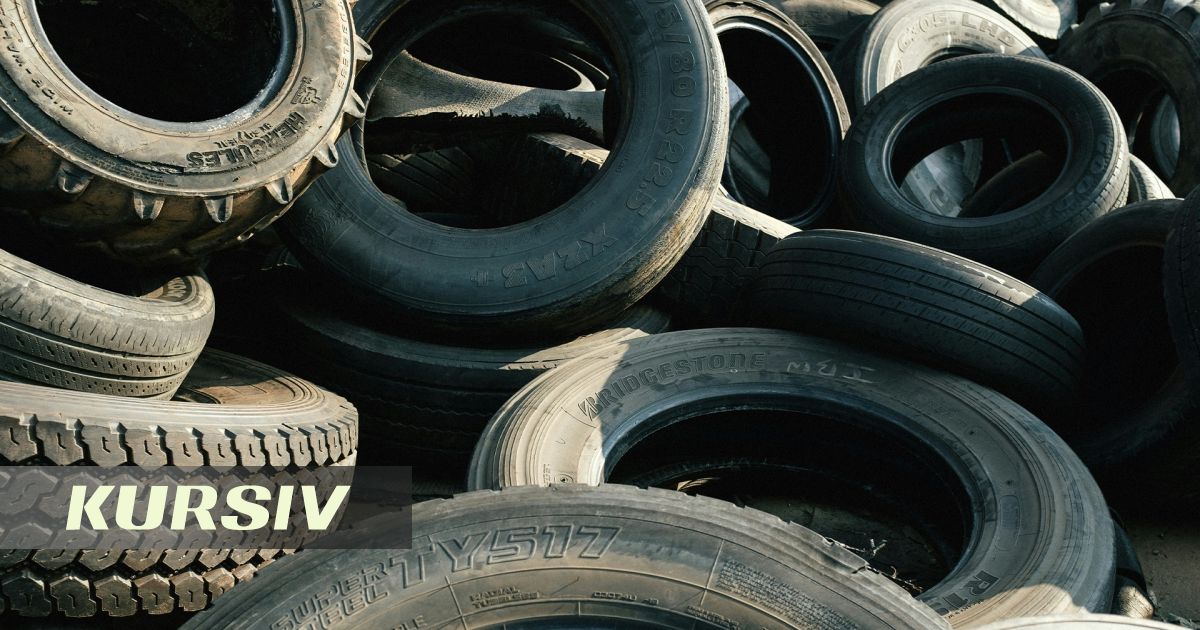
In autumn and winter, stores often cut prices on summer tires. For car owners, this is a chance to buy a set cheaper in advance, but focusing only on the discount size is not wise. Nikolai Pogulyaev, an expert at Fit Service, explained what to look out for, according to infohub.kz.
Size first, price second. Before buying, you need to check whether the tire fits the car. Width, profile, diameter, as well as load and speed indices matter. These parameters are usually listed in the manual, on a plate in the driver's door jamb, or on the fuel filler flap. Tires for crossovers and cars with large wheels should be chosen especially carefully.
Do not change the size just for a lower price. An unsuitable outer diameter can affect speedometer readings and lead to the tire contacting the body or suspension. If the manufacturer allows several sizes, it is best to choose from that list.
An old date does not always mean a bad tire. Sales often offer warehouse leftovers and tires from previous deliveries. An earlier production date by itself does not mean the tire is unusable. Its origin, storage conditions, and condition are far more important.
Before buying, the expert recommends inspecting the rubber for cracks, deformations, and sidewall damage. Tires should be kept in a dry, clean, and ventilated room, protected from sunlight, heat, moisture, oils, and chemicals. When buying online, it is better to check the markings and condition of the tires before mounting.
A rare size is better not to put off. For popular models, waiting for a good price is usually easier. With rare sizes, especially large R19–R22, the situation is different. Waiting for the maximum discount may mean the needed model is already gone by the start of the season.
Therefore, Pogulyaev advises focusing on the price of a specific suitable model. If a set is sold at a good price by a reliable seller, putting off the purchase for an even bigger discount does not always make sense.
Storage can eat up the savings. When buying tires in advance, think about where to store them until the season. Tires without rims are best kept vertically, periodically changing the support point. They must not be hung — this can deform the sidewall.
Wheels mounted on rims can be stored horizontally in a stack or on special brackets. If there is no suitable place at home, you will have to pay for seasonal storage. As a result, part of the savings from the sale may disappear.
Earlier, Kursiv Auto reported on what to check in a car before the first cold weather.