

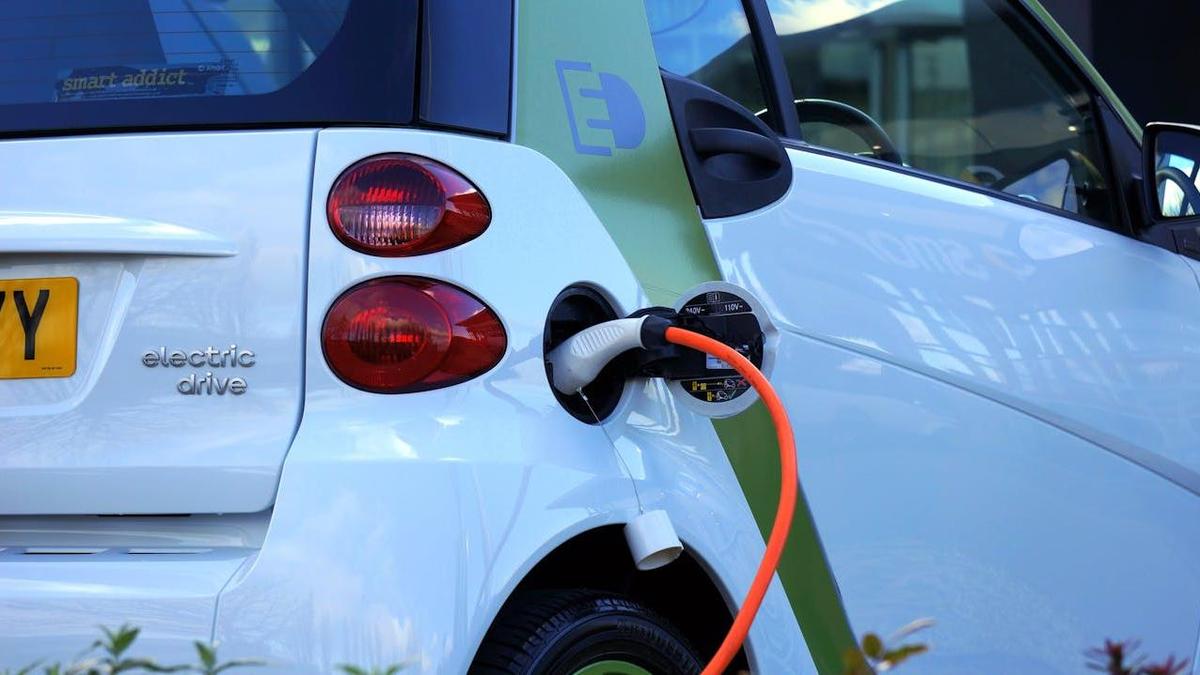
Electric vehicle range drops noticeably due to driving habits, weather conditions, and heavy cargo, experts told Engadget, according to infohub.kz.
Unlike gasoline-powered cars, EVs consume more energy on highways than in city traffic. At high speeds, batteries must deliver more current to overcome aerodynamic drag and tire friction. In addition, on out-of-town trips, the regenerative braking system—which in the city returns up to 20% of energy to the battery—barely works.
Air temperature and climate control have a strong impact on range. According to research by Recurrent, in freezing cold the vehicle's range can drop by nearly a third, and in 40-degree heat by about 18%. An air conditioner or heater running takes away several more kilometers of range for every hour of operation. Extra weight in the trunk and rapid acceleration further increase consumption.
To preserve charge, experts advise accelerating smoothly, preheating or precooling the cabin while charging from the grid, and, when possible, reducing highway speed from 112 to 96 kilometers per hour. This saves about 10 kilometers of range for every hour of driving.