

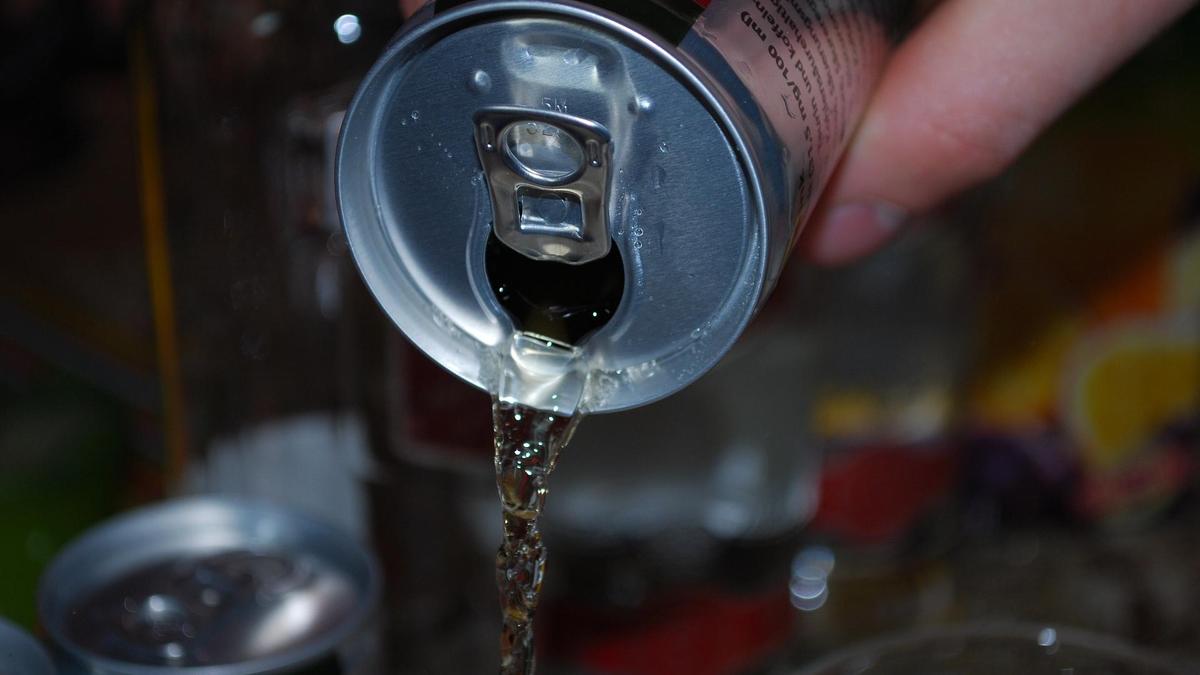
Stimulant drinks and supplements appeared in reports of cardiac arrest 11 times more often than ordinary caffeine-free products, according to research reported by ScienceDaily and cited by infohub.kz.
Researchers analyzed 28,345 voluntary reports of adverse reactions to foods and dietary supplements submitted to the U.S. Food and Drug Administration (FDA) database between 2017 and 2025. Of those, 854 involved energy drinks and stimulants.
Those reports mentioned heart attacks 4.5 times more often and ventricular arrhythmia — a disruption of the rhythm of the heart's lower chambers — roughly four times more often than complaints about ordinary soda, vitamins or protein bars. About 45% of such incidents involved people aged 18 to 34.
The study's author, University of Virginia medical student Sai Samayamantula, noted that energy drinks are sold alongside ordinary water, so many people assume they are completely safe. Yet regular consumption of such drinks makes it easy to exceed the recommended daily caffeine limit of 400 milligrams. In the U.S., energy drinks are regulated as food products rather than drugs, so they do not undergo mandatory clinical testing before reaching the market.
The researchers stressed, however, that the study does not prove a direct cause-and-effect relationship. The FDA database is built from voluntary reports and does not account for the total number of healthy consumers who experienced no complications. Underlying illnesses, intense exercise or mixing the drinks with alcohol could also have contributed to the health problems.
Experts from the American Heart Association called for further research and stricter oversight of products with high concentrations of stimulants.