

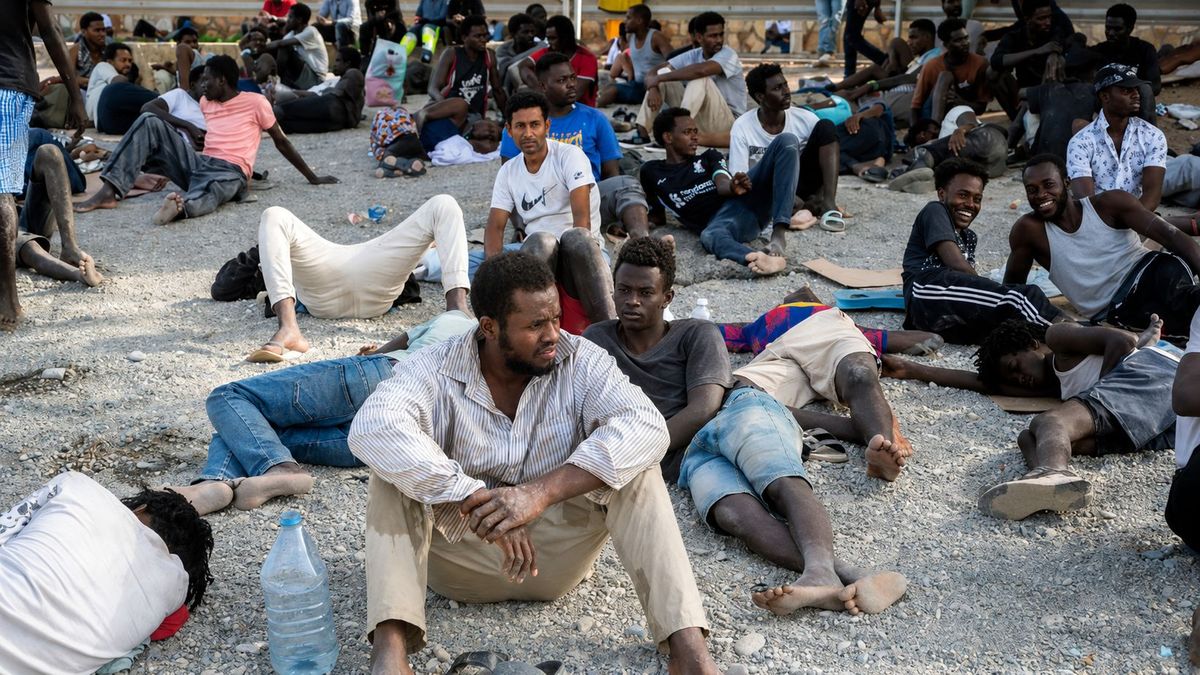
EU interior ministers expressed solidarity with Spain following the migrant crisis in Ceuta and agreed on measures to strengthen the protection of the bloc's external borders, according to infohub.kz.
During the discussions, full support for the Spanish authorities was voiced, said EU Home Affairs Commissioner Magnus Brunner. He stressed that the influx of migrants was a serious test for the security of Europe's borders and noted that none of those who arrived managed to reach mainland Spain or the Schengen area.
Ireland's Minister for Justice and Home Affairs, Jim O'Callaghan, praised Spain's swift response to the situation in Ceuta and said the EU is united in its readiness to support the country and protect external borders from illegal migration.
According to the Spanish government, of the approximately 72,000 people who crossed the border with Ceuta, about 70,000 have already been returned to Morocco. The remaining cases are under review. Spain's Interior Minister Fernando Grande-Marlaska stressed that those without the right to stay will also be returned, and fears about their entry into the Schengen area have not materialized.
Following the meeting, ministers agreed to step up the fight against smugglers, speed up procedures for returning illegal migrants, expand cooperation with countries of origin and transit, and improve early warning systems, including social media analysis.
Earlier reports said that on the night of July 30-31, thousands of Moroccan migrants breached the border in the Spanish enclave of Ceuta in North Africa, forcing Spanish authorities to mobilize the army. Italian Prime Minister Giorgia Meloni said she was ready to take emergency measures to protect borders and citizens' safety, including temporarily reinstating border controls at the border with Spain.
Spanish authorities noted that by Friday evening, most migrants had left Ceuta and returned to Morocco. Initially, it was reported that at least 57 migrants died in a stampede while trying to cross the border at the wall topped with a border fence, with their bodies recovered from the water. Morocco has explained the reasons behind the migrant influx into Spain.