

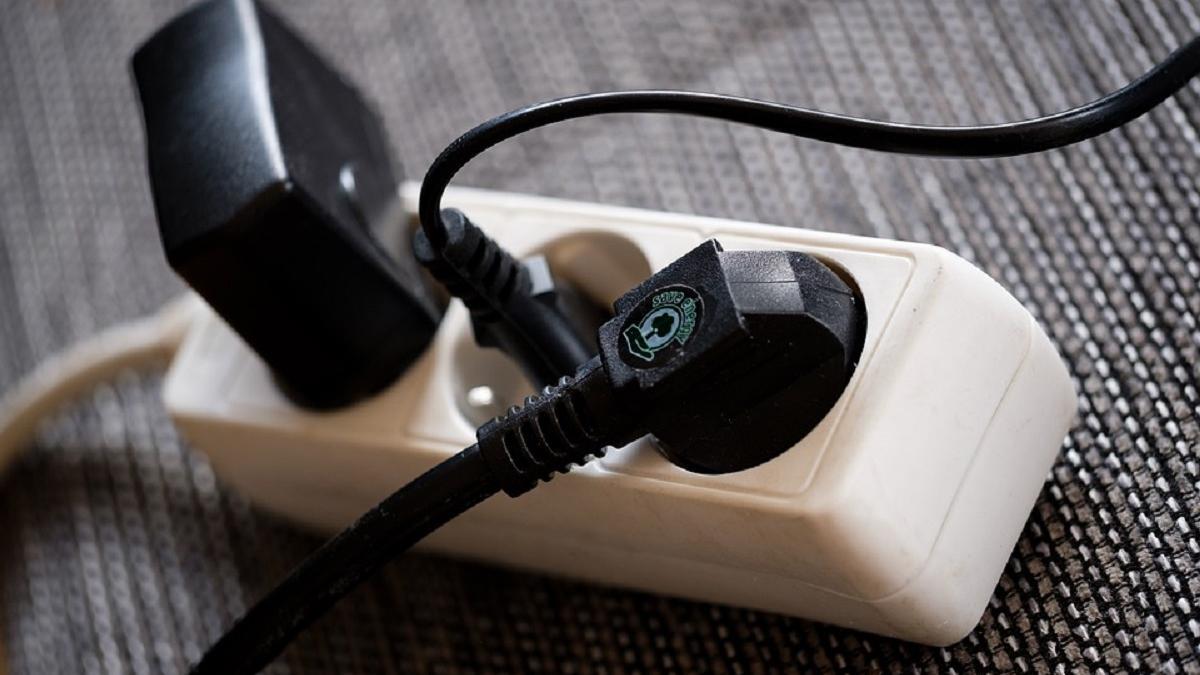
Leaving extension cords permanently plugged into an outlet is more dangerous than it seems: constant load, unnoticed damage and improper use can lead to overheating and fire, the website infohub.kz reports.
Many people treat extension cords as a permanent part of their home, keeping them plugged in for years. But specialists at the Electrical Safety Foundation International warn that such cords are designed solely for temporary use and cannot replace proper permanent wiring.
The main danger lies in hidden damage and overheating. When an extension cord sits behind furniture or under a rug, its insulation can crack and its internal connections can loosen. What is more, covered cords cannot release heat, which under unfavorable conditions leads to melting. The U.S. National Electrical Code explicitly prohibits running such cords through walls, doors and thresholds, where they can easily be snagged or pinched.
Another common mistake is plugging in high-powered appliances. An ordinary extension cord is meant for light devices such as a smartphone or laptop charger. If a space heater or a large household appliance is connected through it, the thin wire quickly overheats. U.S. fire services strongly recommend plugging high-energy appliances directly into a wall outlet. Fire officials in Loudoun County, Virginia, recorded a residential house fire in the summer of 2026 caused precisely by an extension cord failure, leaving the residents without a home.
Experts advise unplugging extension cords regularly in order to spot a hot plug or damaged insulation in time. If a device is needed in a particular place permanently for more than 30 days, it is safer and more reliable to install an additional wall outlet.