

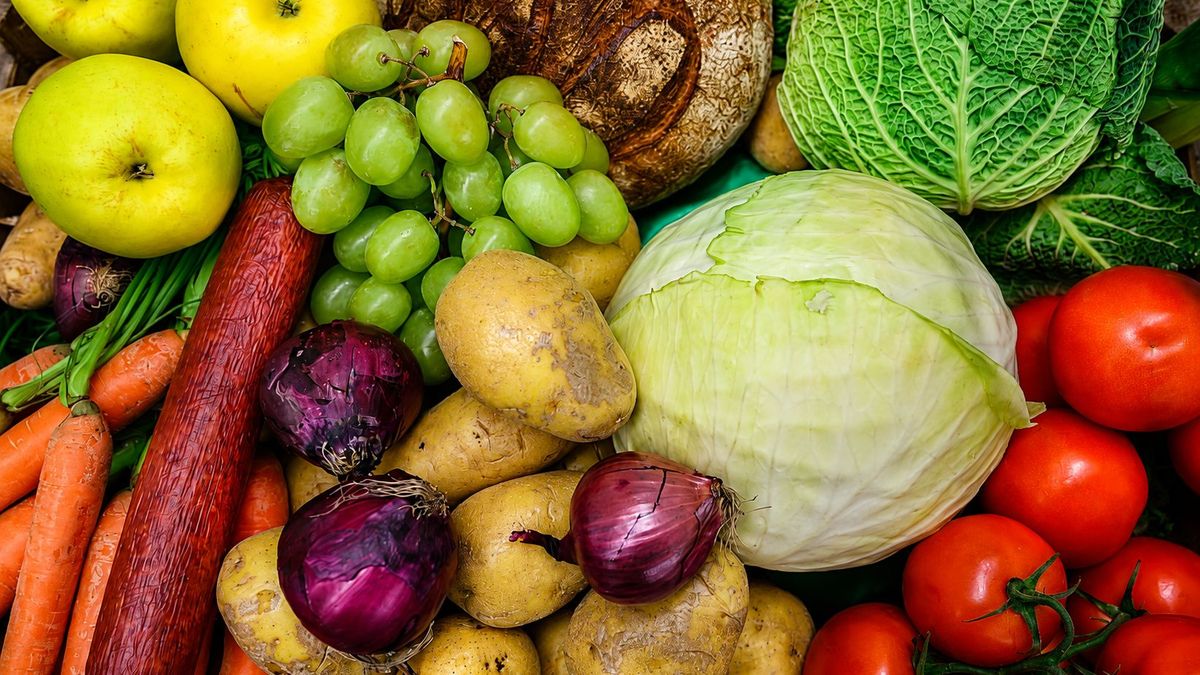
Researchers have found that the total amount of fiber does not reflect its true impact on gut bacteria in preschool children, reports infohub.kz.
The type of dietary fiber consumed by preschool children has a more significant effect on the composition of their gut microbiome than simply the total amount of fiber in their diet. This is the conclusion reached by researchers from the University of Illinois at Urbana-Champaign. The results of their study were published in the journal "Gut Microbes".
In the study, scientists analyzed the diets and stool samples of 81 children aged 3 to 5 years. They assessed the intake of different types of dietary fiber, including soluble and insoluble fiber, pectins, and resistant starch, and measured levels of short-chain fatty acids and bacterial diversity.
It turned out that soluble fiber and pectin, found in fruits and vegetables, promote the growth of beneficial bacteria such as "Bifidobacterium" and increase the production of acetate and propionate. In contrast, insoluble fiber from whole grains had a greater impact on bacteria of the genus "Bacteroides". The total amount of fiber showed little correlation with bacterial diversity.
The authors emphasize that dietary guidelines for children often consider only the total amount of fiber. However, for the healthy development of the gut microbiome in children, the diversity of fiber sources is important. Different chemical structures of fiber are fermented by the microbiota at different rates, which directly determines the composition of the metabolites produced.