

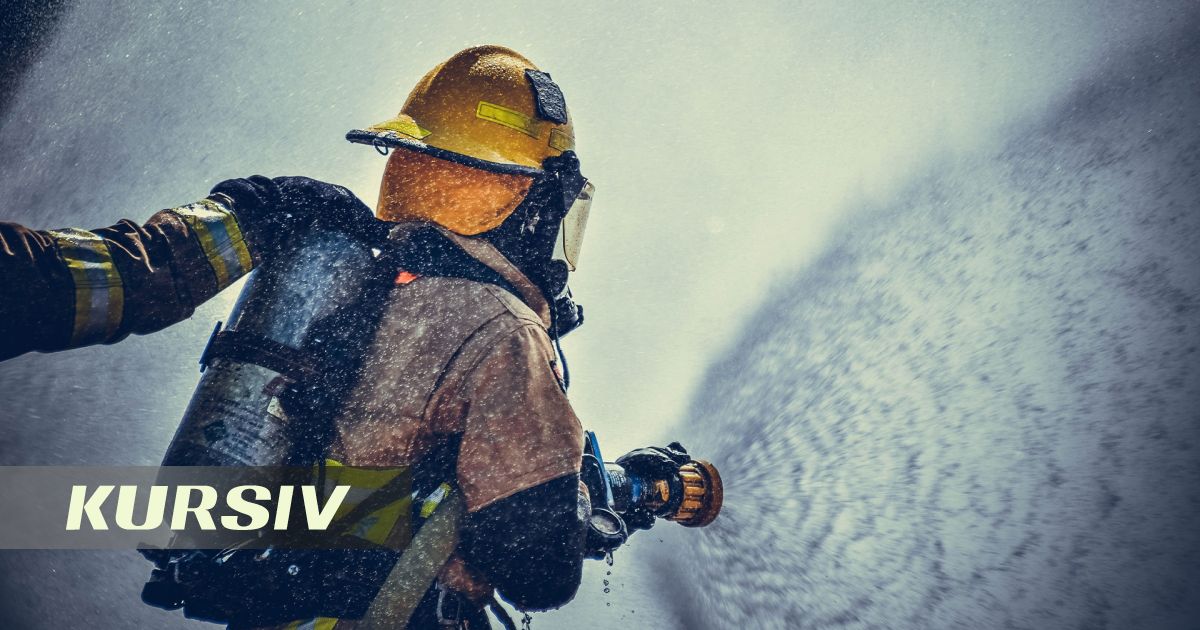
Firefighters face daily exposure to fire, but flames aren't the only threat. Inhaling smoke is a less obvious yet equally serious risk factor. Researchers set out to measure changes in firefighters' bodies after firefighting, and their findings were published in the journal Environment & Health, as reported by infohub.kz.
During firefighting, a complex mixture of substances produced by combustion enters the body. Smoke can contain chemical compounds, some of which are linked to an increased risk of cancer. The scientists wanted to know how quickly the body responds to such exposure. To do this, they analyzed blood and urine samples from 30 individuals before and after firefighting, as well as over the following 24 hours.
The researchers studied proteins—molecules that perform many functions in the body and can change in response to stress and exposure to harmful substances. They identified 330 protein groups in blood serum and 1,085 protein groups in urine. After smoke exposure, significant changes occurred in 75 proteins in urine and only 10 proteins in blood. According to the scientists, urine may better reflect the body's short-term response to smoke.
Particular attention was drawn to four proteins: LAMA4, LAMC1, VWF, and B2M. After firefighting, their levels changed in a coordinated manner. These proteins are involved in various processes, some of which are linked to biological mechanisms observed in tumor development. Specifically, the changes overlapped with molecular pathways associated with small-cell lung cancer.
However, this does not mean that firefighters develop cancer. The scientists detected early changes in proteins that may be related to processes involved in tumor development, but it is not yet known whether these changes persist long-term or can predict disease onset. In other words, the study shows the body's response to toxic smoke, not a cancer diagnosis.
If further research confirms the findings, urine analysis of firefighters could help track early changes in the body after smoke exposure and identify risks before disease manifests. In a previous article, Kursiv Health reported on which professions have the highest proportion of cancer deaths related to radiation.