

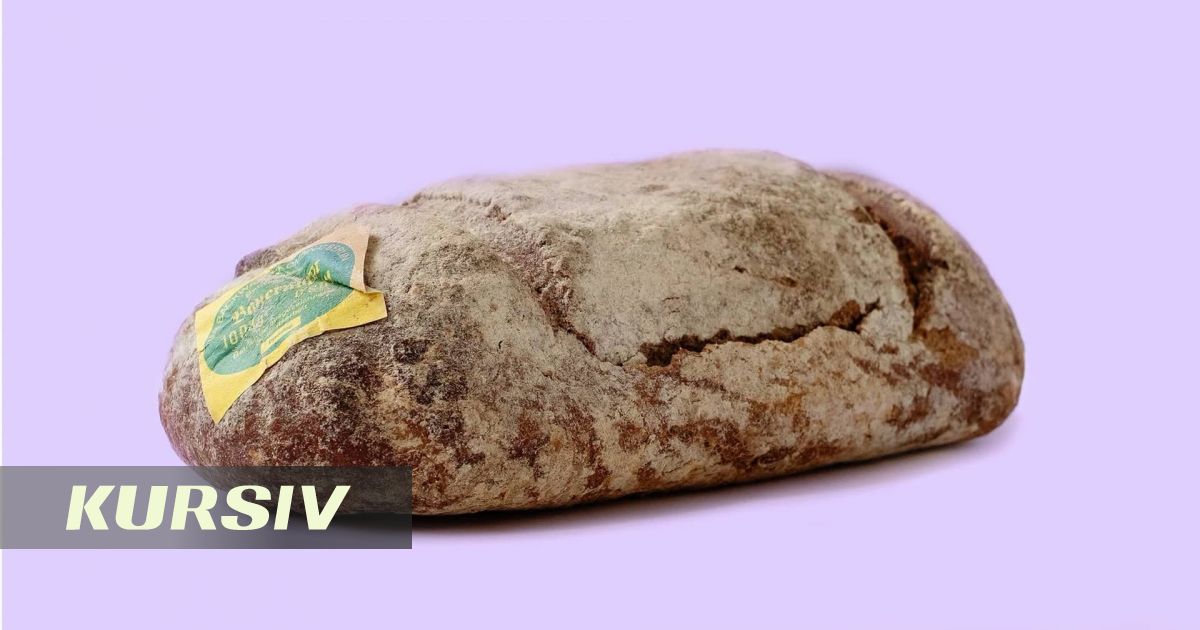
A loaf of rye-wheat bread that spent 36 years in a freezer has gone on display at the Deutschlandmuseum in Berlin. A family from East Berlin froze it in 1990, fearing food shortages and rising prices amid historic change. Now the ordinary loaf has become a museum exhibit, infohub.kz reports.
On June 26, 1990, student Michael Hagedorn bought two loaves of bread instead of one at an East Berlin shop. Five days remained before the economic and monetary union treaty between West Germany and East Germany took effect. The family feared the reforms would bring higher prices and queues, so the second loaf was put in the freezer just in case.
But it was never taken out. Remarkably, the loaf survived German reunification in 1990, the collapse of the USSR in 1991 and the turn of the millennium. Over that time the family moved several times, and the bread was always transferred to new freezers. Eventually they decided not to throw it away, since it had literally witnessed a landmark era.
Now Michael Hagedorn has handed the loaf to the museum, where the exhibit has been titled "The Last Bread of the GDR." A freezer was specially built for it so the loaf can remain frozen.
Museum director Robert Rückel noted that the exhibit's value lies precisely in its ordinariness. It recalls not political decisions but how people tried to cope with uncertainty and simply stocked up on food just in case. The bread can be seen from October 1 in the Deutschlandmuseum's permanent exhibition devoted to a divided Germany.
Many people in the USSR experienced something similar in the early 1190s – the shock of reforms, impoverishment and complete uncertainty about the future.
Earlier, Kursiv LifeStyle wrote about the world's oldest land tortoise, named Jonathan, who turned 194. He was born back in 1832, 13 years before Abai Kunanbayev, and has lived through nearly two centuries of history.