

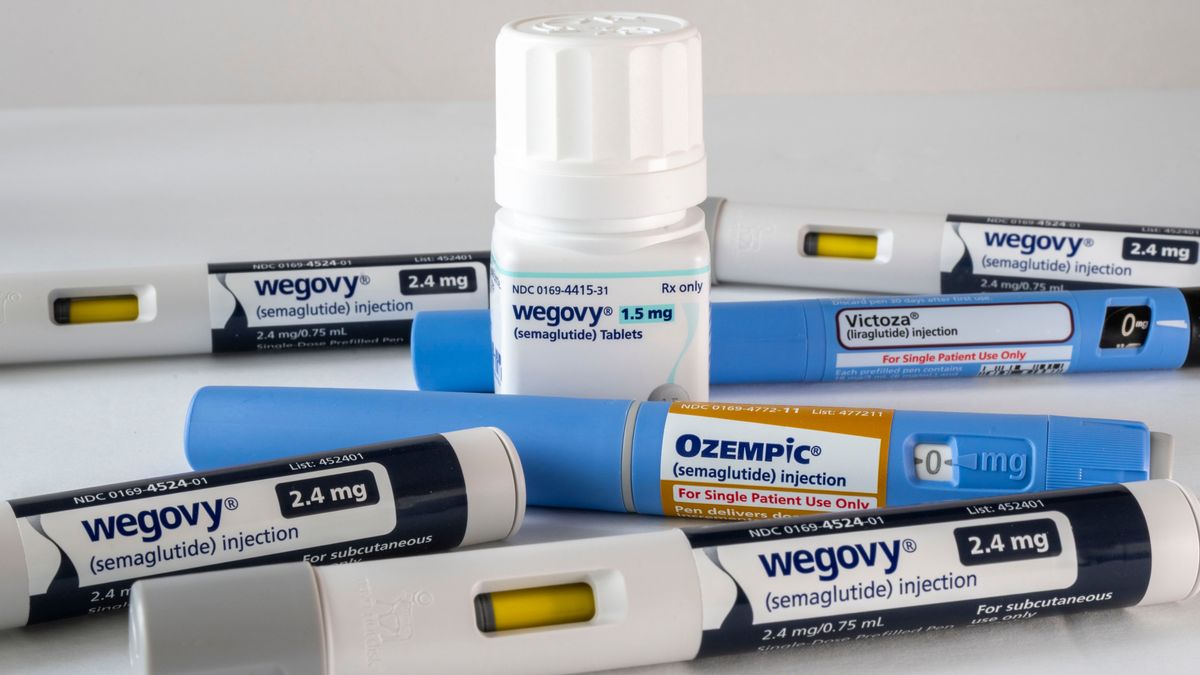
A cross-sectional study examining the quality and reliability of medical information about glucagon-like peptide-1 (GLP-1) receptor agonist drugs on Chinese video platforms Douyin (the Chinese version of TikTok) and Bilibili has uncovered a troubling pattern: the number of likes, views, and followers a blogger has does not reflect the actual accuracy or medical value of their content, according to infohub.kz.
For the study, experts analyzed videos retrieved through the search term "GLP1." After filtering out advertisements and unreliable material, the final sample consisted of 56 videos from Douyin and 72 from Bilibili. The quality of the content was assessed using the international DISCERN, JAMA, and Global Quality Score (GQS) scales.
The analysis found that Bilibili videos were significantly longer and demonstrated higher levels of quality and accuracy compared with those on Douyin.
The authors noted that short-video algorithms often promote content without thorough fact-checking, creating risks for users seeking medical advice online. They emphasized that likes and an author's popularity can mislead viewers, so when choosing treatments or weight-loss drugs, people should rely on consultations with relevant medical specialists rather than social media trends.
Important information: This material is for informational purposes only and is not a guide to action. Drugs based on semaglutide and other glucagon-like peptide-1 (GLP-1) receptor agonists are serious prescription medications with a wide range of contraindications and side effects. Using these medications without a specialist's prescription can cause severe harm to your health. Before starting any treatment or taking any drugs, be sure to consult a qualified physician.