

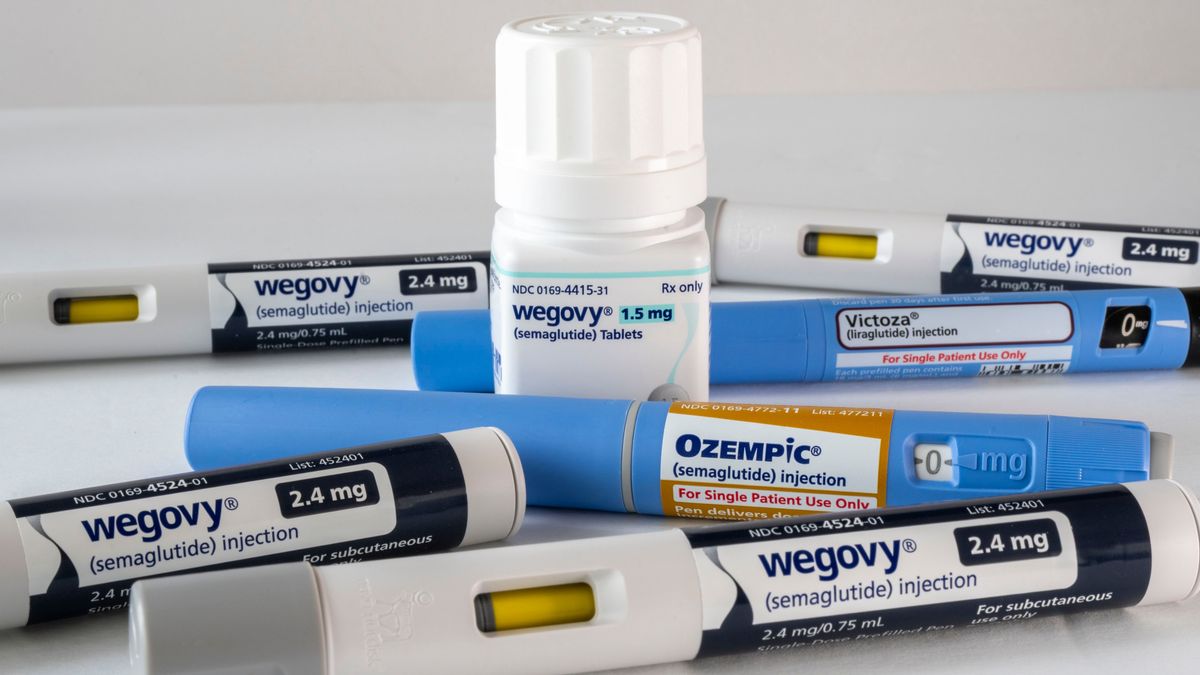
A systematic review of scientific studies has shown mixed results for the use of GLP-1 receptor agonists in treating depressive and anxiety disorders, reports infohub.kz.
Researchers analyzed available data on the potential use of glucagon-like peptide-1 (GLP-1) receptor agonists, which are used for diabetes and obesity, in the therapy of depression and post-traumatic stress disorder (PTSD). The findings of the systematic review were published in the journal Translational Psychiatry.
The researchers examined 43 studies covering 51 datasets up to December 2025, including 28 rodent studies and 15 clinical observations involving humans. Interest in this class of drugs stems from the fact that GLP-1 receptors are present in brain regions responsible for mood regulation and stress response, and the drugs themselves can reduce inflammation in the body.
However, the collected evidence proved contradictory. While some animal studies modeled improvements in cognitive function and reductions in anxiety symptoms with liraglutide or dulaglutide, clinical data in humans did not confirm a consistent psychiatric effect. In particular, a small randomized trial involving 35 adults with obesity and depression using semaglutide showed no significant improvement in mood or reduction in suicide risk.
The review authors concluded that the current evidence base does not support recommending GLP-1 as a standalone treatment for depression or PTSD, although they may offer indirect benefits to patients with comorbid metabolic disorders.
Important information: This material is for informational purposes only and is not a guide to action. Medications based on semaglutide and other GLP-1 receptor agonists are serious prescription drugs with a wide range of contraindications and side effects. Using these medications without a specialist's prescription can cause serious harm to your health. Before starting any treatment or taking medications, be sure to consult a qualified physician.