

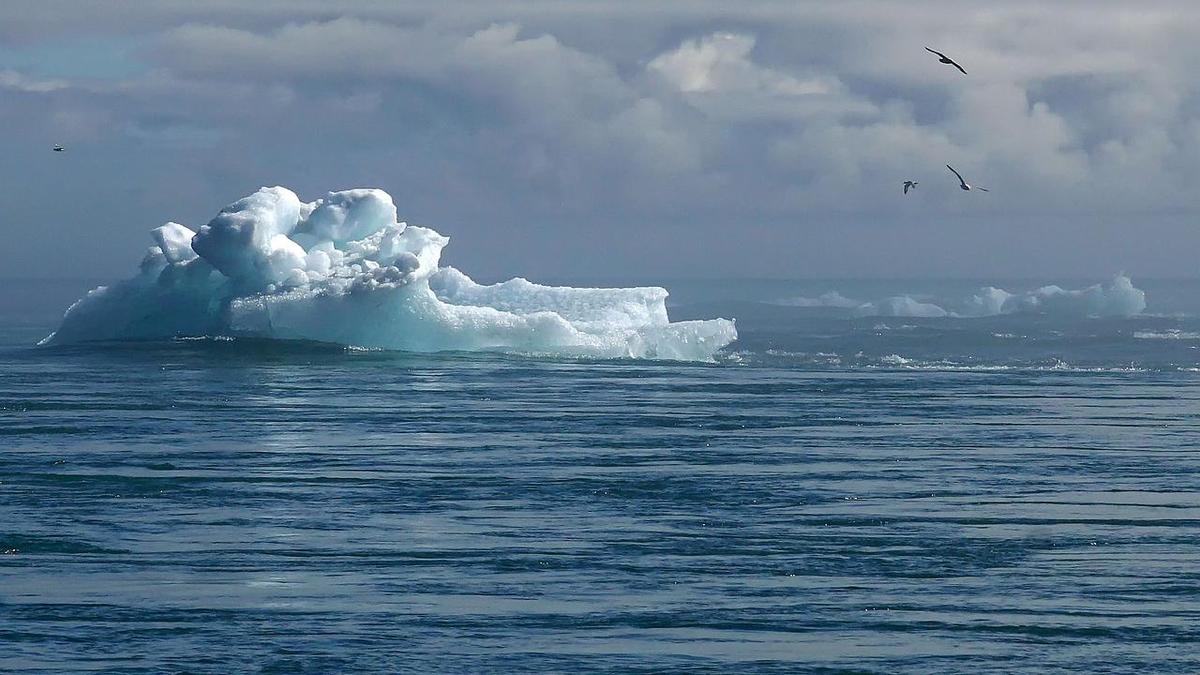
Satellites have detected the largest ice break from Greenland's Petermann Glacier since 2012. The resulting tabular iceberg covers 76 square kilometers, comparable to the size of Manhattan, and could be up to 150 meters thick, according to infohub.kz.
The European Space Agency, using the Copernicus Sentinel-1 satellite, recorded that on August 4, 2026, a floating ice mass broke off from the Petermann Glacier. Images from August 3 showed a fracture in the center of the floating ice tongue, and by the next day, the massive block had completely separated on the eastern side.
An international team of scientists from the universities of Ottawa, Leeds, Lancaster, and Stirling had been monitoring the development of cracks for several years. According to Adam Garbo from the University of Ottawa, researchers had long expected this break.
Scientists note that two more large chunks, measuring 97 and 87 square kilometers, may be next. Specialists from the Canadian Ice Service have already begun tracking the drift of the ice island, as such objects pose a threat to shipping.