

The gut microbiome and the metabolites it produces can point to the true biological age of the human brain, ScienceDaily reports, according to infohub.kz.
Researchers at the University of California, Los Angeles (UCLA Health) have found that gut bacteria can serve as an early indicator of how quickly the brain ages. The findings were published in the scientific journal eBioMedicine.
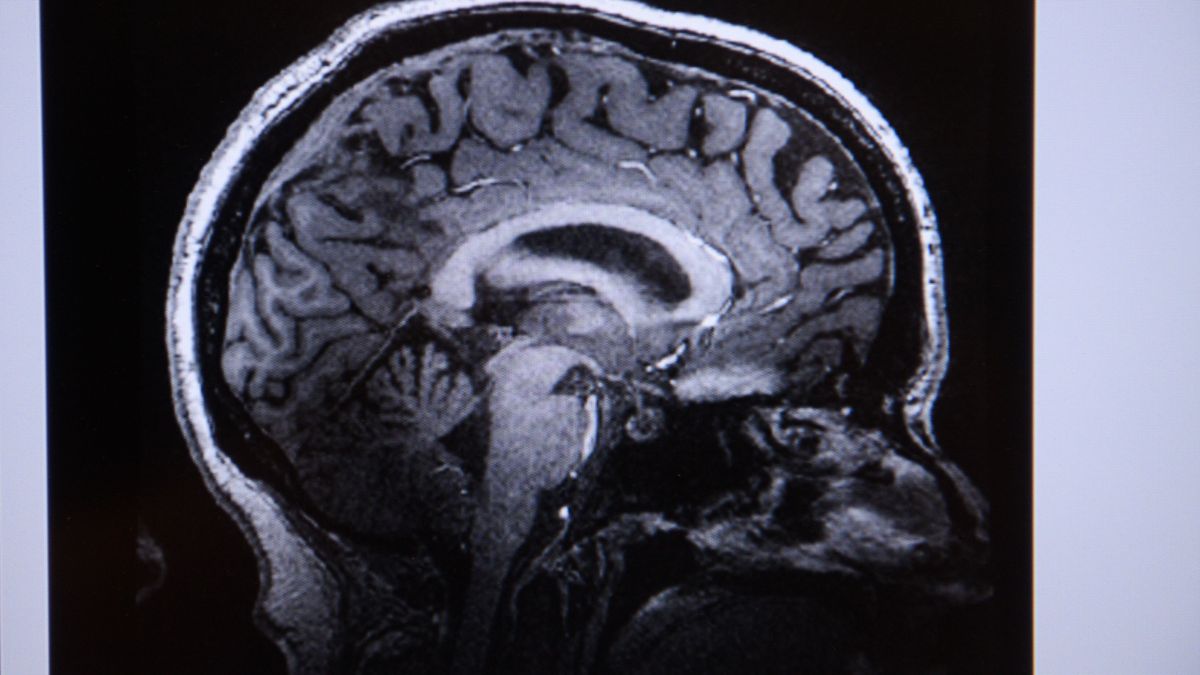
For the study, the scientists analyzed magnetic resonance imaging scans and scan data from nearly 1,500 adults, who were divided into three groups. The researchers used a method that assesses how different brain regions interact with one another while at rest.
Based on those functional connections, a computer model calculated an estimated brain age for each participant. The scientists called the gap between that figure and a person's actual age the Brain Aging Index (BAI).
Volunteers whose brains appeared older than their chronological age performed worse on tests of working memory and executive function, and more often reported symptoms of depression.
For one of the groups, the researchers also analyzed stool samples. They found that a high Brain Aging Index was linked to specific gut bacteria and their metabolites, including certain fat molecules, a cholesterol-based compound and lower levels of the hormone estetrol.
Study co-author Dr. Arpana Church noted that biological signals of brain aging appear decades before the first symptoms emerge. Uncovering the link between brain aging and the microbiome will make it possible to identify at-risk groups and develop new ways to prevent cognitive decline by targeting gut health.