

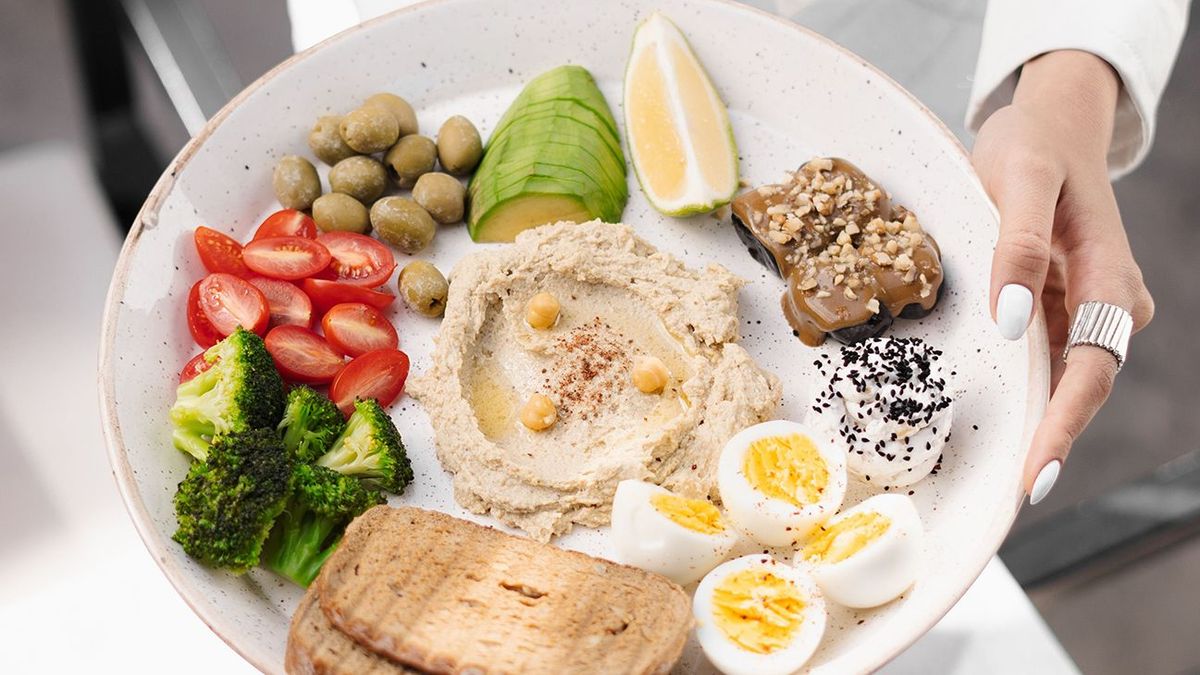
The calories listed on food packaging do not always match reality: gut microorganisms take part in extracting energy from food, scientists have found, according to infohub.kz.
Researchers at Arizona State University have developed a mathematical model called DAMM that estimates food digestion and microbial metabolism. The model shows how food travels through the digestive tract, how many calories the body absorbs directly, and how bacteria in the colon process what is left.
Traditional calorie counts rely on the Atwater system, created more than a century ago. It uses average energy values for proteins, fats and carbohydrates but does not account for the microbiome. In the colon, bacteria ferment fiber and unprocessed starches, producing short-chain fatty acids. The body absorbs these and gains extra energy. According to the authors' calculations, microbes in the colon provide about 15% of all the energy the body absorbs.
The scientists compared the model's data with the results of a clinical experiment. Participants on a high-fiber diet absorbed an average of 116 fewer calories a day than people eating a typical Western diet of processed foods. At the same time, the volunteers on the high-fiber diet did not feel hungry.
The creators of the model hope their approach will help shed more light on the mechanisms behind obesity and diabetes. In the future, it could allow specialists to design individual diets that take into account the specific features of a person's microflora.