

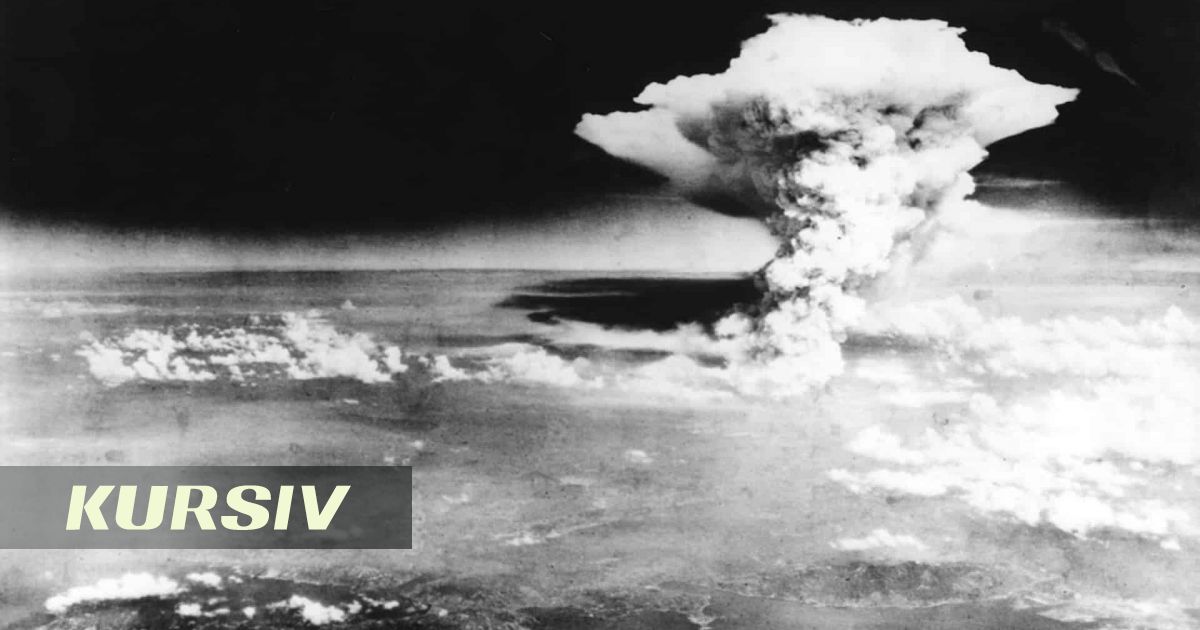
Scientists have discovered a previously unknown substance in soil samples from Hiroshima, Japan. Named 'hiroshimaite,' it is believed to have formed after the 1945 atomic blast, as reported by the publication Kursiv (more details on infohub.kz).
The discovery was made by Italian geologist and crystallographer Luca Bindi from the University of Florence. Hiroshimaite consists of microscopic spheres about 10 micrometers in diameter. They are composed of five or more metallic elements, including iron, nickel, silicon, and aluminum, fused into a single crystalline structure. Such multi-component alloys with this degree of order are extremely rare in nature.
According to scientists, the substance formed on August 6, 1945, when the temperature at the epicenter of the atomic bomb blast exceeded 7,000°C. Building materials, soil, and metal structures vaporized, then cooled into tiny droplets that solidified into crystalline spheres.
The researchers believe that such materials may have high strength, corrosion resistance, and tolerance to extreme temperatures. Furthermore, the discovery shows that nuclear explosions can not only destroy existing materials but also create new complex crystalline structures.
Earlier, Kursiv reported that scientists discovered a new class of antibiotics using artificial intelligence.