

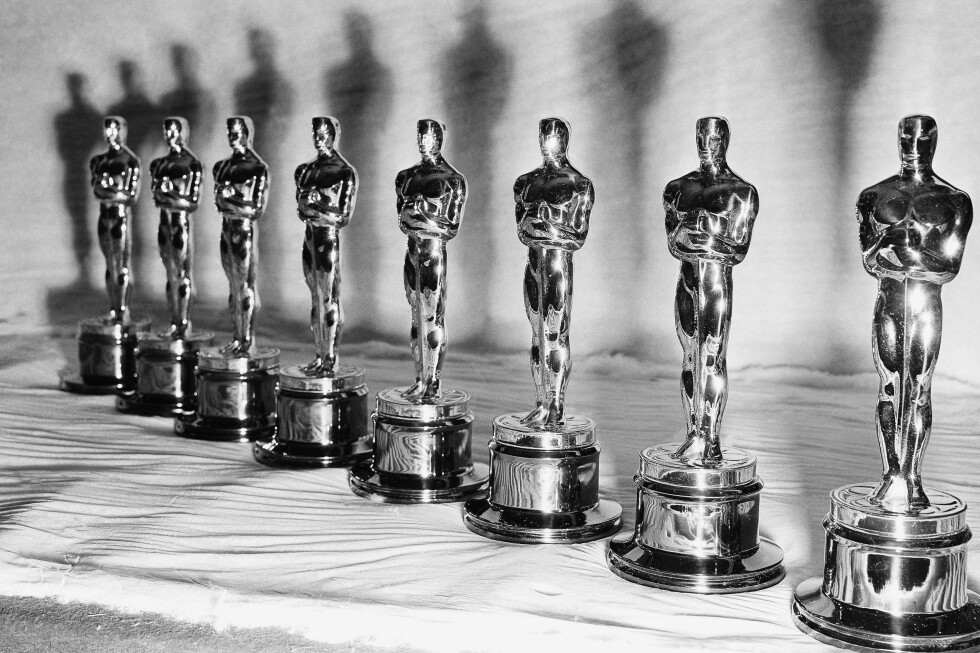
The Oscar statuette is the most recognizable award in the world of cinema. But its history is full of contradictions. In 1929, the first awards ceremony lasted only 10 minutes. Since then, the Oscars have become a cultural bellwether and a billion-dollar industry. This is reported by infohub.kz.
The Oscar statuette costs about $400 to produce. However, studios spend tens of millions on awards campaigns. Some winners may see bigger paychecks, but it's hardly a guarantee of a better life. If you won your award after 1951, you cannot sell it without first offering it to the Academy for $1.
How the Oscar got its name is unknown. Legend has it that Academy librarian Margaret Herrick nicknamed the statue after her uncle. For Louis B. Mayer, the award was a PR tool to shape Hollywood's bright image.
The Oscars' popularity has fluctuated over the years. In 1969, 22-year-old Candice Bergen called for a younger Academy membership. In 2015, the hashtag #OscarsSoWhite sparked another reform. Critics have questioned the award's relevance since its earliest days.
Still, we watch. Complaining about the Oscars is its own pastime. The award is both everything and nothing. It is the highest honor for filmmakers, but also a reflection of a system influenced by money and power.