

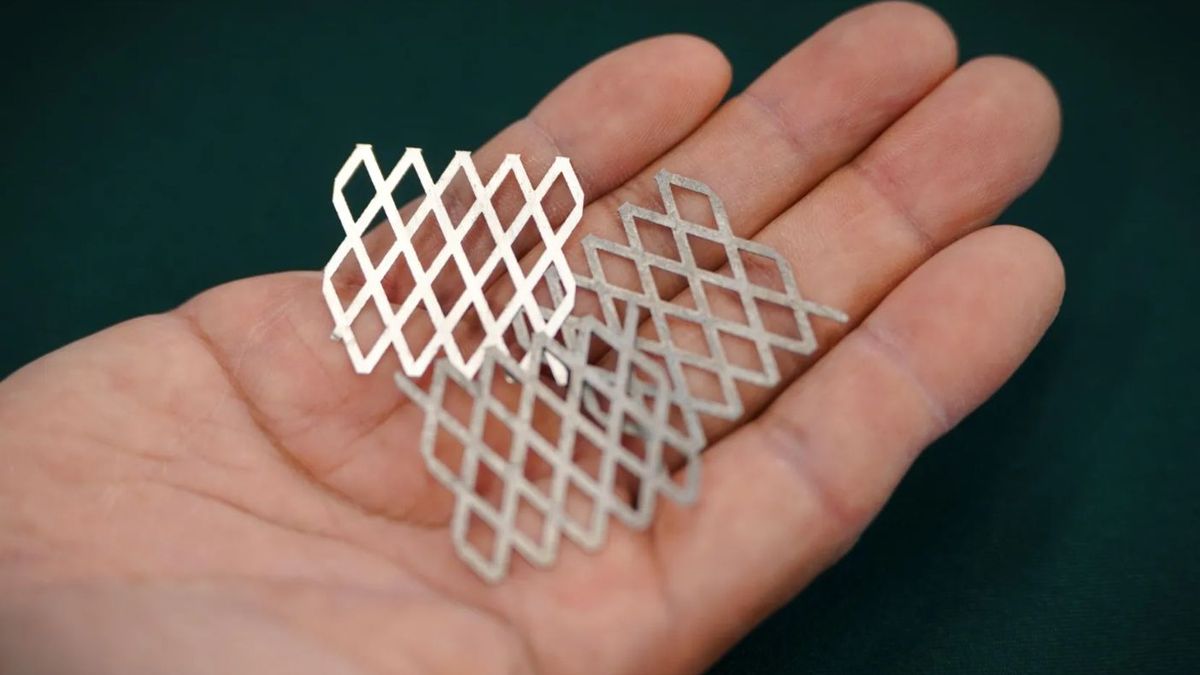
Researchers at the University of Hong Kong have developed a stainless steel with record-breaking corrosion resistance that could significantly cut the cost of producing hydrogen from seawater, according to infohub.kz.
The team, led by Professor Mingxin Huang, created a new grade of steel called SS-H2, capable of withstanding extreme saline environments. The material is intended for use in electrolyzers that split water into hydrogen and oxygen. Until now, such systems have relied on costly titanium components coated with gold or platinum, as conventional stainless steel quickly degrades under high electrical voltage.
The secret to the alloy's durability lies in a two-step passivation process. In addition to the standard protective chromium oxide layer, a second protective layer based on manganese forms on the metal's surface. This discovery surprised the researchers themselves, as manganese has traditionally been considered an element that reduces corrosion resistance. The new alloy maintains its integrity at voltages up to 1700 mV, exceeding the threshold required for water oxidation.
According to the project's estimates, using SS-H2 could reduce the cost of structural materials for electrolyzers by approximately 40 times. The scientists have already begun collaborating with Chinese companies to launch mass production of steel wire.