

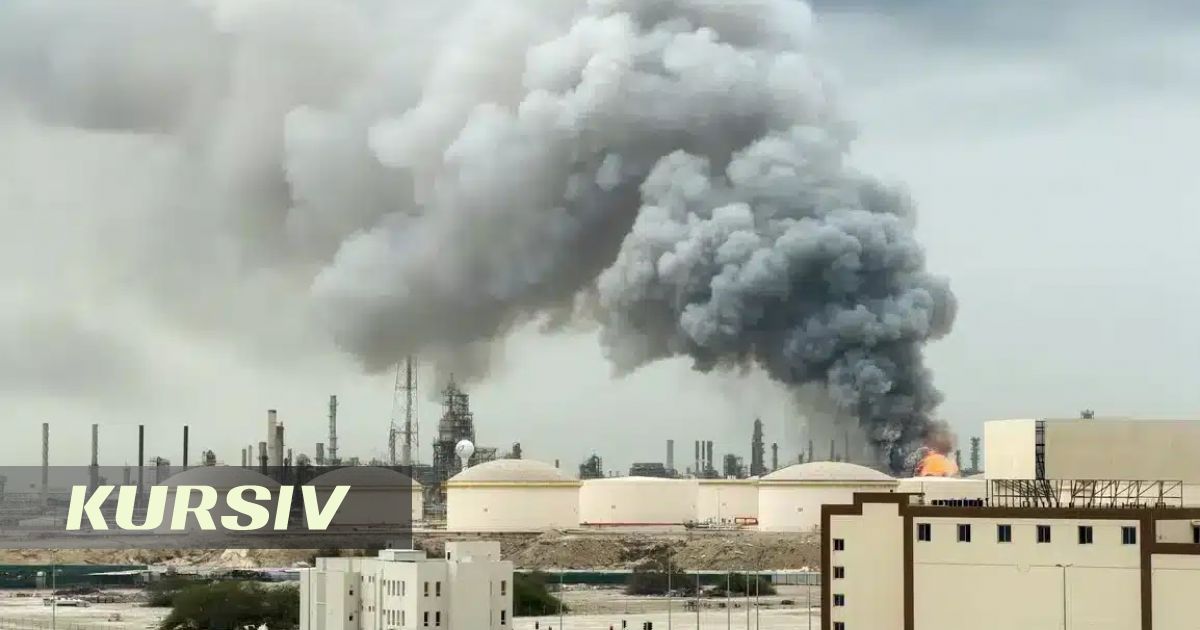
At least 73 people were injured in a series of strikes by Yemen's Houthi rebels on southern Saudi Arabia, according to infohub.kz.
The Iran-backed Houthis targeted four cities as well as oil infrastructure in the kingdom. The targets included a military base in Khamis Mushait, facilities of the state oil company in Abha, and sites in the border town of Najran and the port city of Jizan.
Particular attention was drawn to Jizan, which hosts a large oil refinery and a power plant. Fires broke out at the facilities following the attack. NASA satellite imagery showed a thick black plume of smoke over the Jizan refinery, and another column of smoke was detected over an oil distribution center in Abha.
Saudi authorities confirmed the fires at the targeted sites. According to their data, 73 people were injured, including women and children. Reuters notes that this number of casualties makes the attack one of the largest against Saudi Arabia since the start of the US-Israel war on Iran, which has been ongoing since February. However, there was little independent video footage of the aftermath at the time of publication, and access to information in Saudi Arabia is restricted.
The new attack came after a relatively calm August and amid renewed fighting in the region. The escalation has already affected the global oil market: Brent crude rose to $99.46 per barrel on Tuesday, the highest level since July 24. Prices later eased slightly, but oil still traded higher than the previous day. The widening conflict heightens concerns about disruptions to oil and refined product supplies from the region, with particular anxiety over the Strait of Hormuz, through which a significant portion of global oil shipments pass.
A spokesman for the Saudi-led coalition, Turki al-Malki, said the military would take necessary measures to counter the Houthis. In turn, Houthi spokesman Yahya Saree accused Riyadh of escalating the conflict and said the movement would respond to strikes on Yemeni territory.
Meanwhile, Saudi-backed Yemeni forces have been advancing in recent days on areas controlled by the Houthis. According to the International Organization for Migration, more than 18,500 people have been forced to flee their homes in three days of fighting on Yemen's west coast.
Amid the overall escalation, US President Donald Trump said that fuel prices would drop significantly after winning the war with Iran. He also suggested that gasoline prices in the US could fall to $3 per gallon and eventually below $2.