

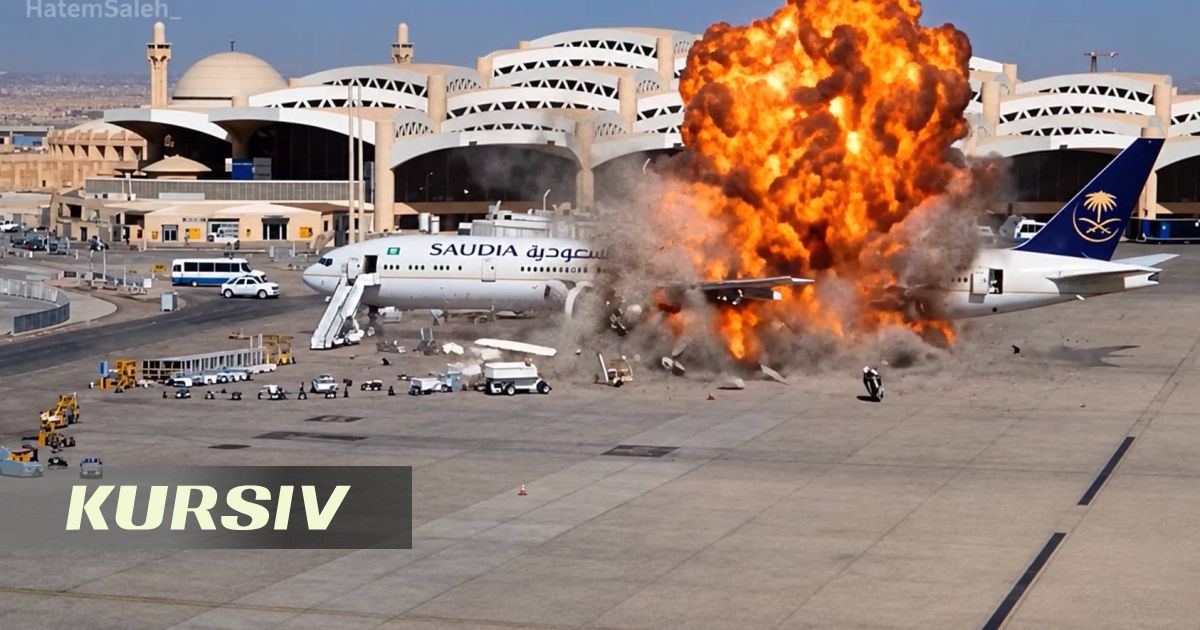
Yemen's Houthis warned Saudi Arabia to prepare for a protracted conflict and claimed new missile strikes on Saudi airports. The attacks disrupted air traffic, several carriers suspended flights to Riyadh, and Saudi authorities earlier reported three dead in the airport strikes, according to infohub.kz.
The Houthis said they hit King Khalid International Airport in the Saudi capital with a ballistic missile. Witnesses reported explosions. The Saudi-led coalition said it intercepted two missiles headed for Riyadh and another targeting the city of Khamis Mushait.
According to Reuters sources, a Saudia aircraft caught fire and sustained serious damage at the airport. The cause could have been falling debris after an interception or another projectile. According to preliminary information from the agency's sources, there were no passengers on board.
Saudi aviation authorities said earlier attacks on Riyadh and Abha airports killed three people and wounded 36 others.
In Abha, citizens of Morocco and Algeria were killed, and 28 people were injured. At the Saudi capital's airport, a Sudanese citizen was killed and eight others were wounded.
Amid the attacks, Lufthansa and Air India suspended flights to Riyadh. According to Cirium, by 15:00 GMT on October 8, nearly half of departures from the Saudi capital's airport had been canceled. Passengers were advised to check their flight status with the carrier before traveling.
The Houthis also warned airlines of the danger of using Saudi airspace and threatened new strikes on oil facilities. Later, the group claimed attacks on Riyadh and Najran airports. AP could not independently confirm the results of these strikes.
The Houthis justify the strikes by Saudi Arabia's support for Yemen's internationally recognized government. Saudi and allied Yemeni forces are trying to retake territories on the Red Sea coast and near the Bab-el-Mandeb Strait previously seized by the group.
The escalation creates additional risks for shipping: the strait remains an important route for global trade, especially amid restrictions on movement through the Strait of Hormuz.