

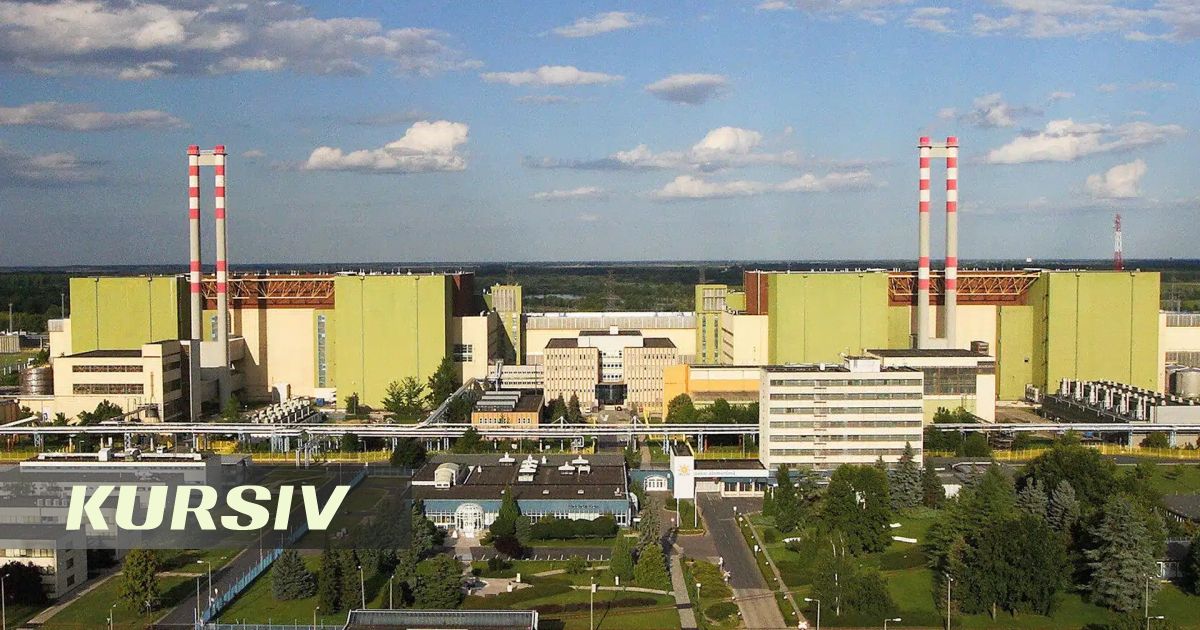
Hungary will temporarily halt operations at its only nuclear power plant, Paks, for the first time in 44 years, due to a record drop in the Danube River's water level, which the plant uses for cooling its reactors, according to infohub.kz.
The Paks plant provides nearly half of the country's electricity. Amid the risk of power shortages, authorities have urged residents and businesses to conserve electricity.
Hungarian Prime Minister Péter Magyar earlier said the government has prepared an anti-crisis plan, which includes phased restrictions on electricity consumption for industrial enterprises. He added that other power plants in the country will temporarily increase output to compensate for the reduced capacity of the nuclear plant.
In 2026, Central Europe has been hit by severe heat and drought, causing the Danube to shrink significantly, with water levels in some regions reaching historic lows. This has already led to disruptions in shipping and problems in the energy sector.
Challenges are not limited to Hungary. In late July, Romania shut down and disconnected the first unit of its Cernavodă nuclear plant from the national grid. In Serbia, hydrometeorologists warn of a possible century-low water level in the Danube, prompting authorities to halt a pumping station that supplies water to the northern part of the autonomous province of Vojvodina.
Earlier, Kursiv reported on why Kazakhstan's first nuclear plant may cost more than those in neighboring countries.