

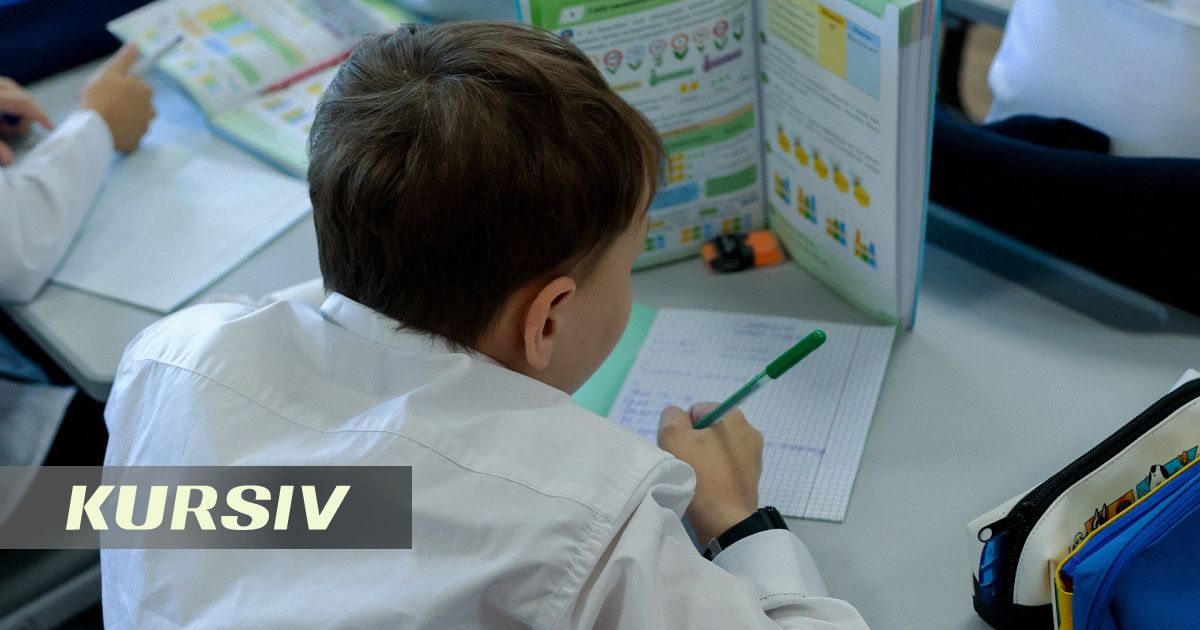
A pilot project to introduce artificial intelligence in rural schools launched in Kazakhstan on September 1, initially covering 10 educational institutions in Pavlodar and Kyzylorda regions. Dmitry Mun, CEO of Q.AI, announced this, according to infohub.kz.
According to him, artificial intelligence will analyze students' answers in small rural schools and identify knowledge gaps. By July 2028, the project is planned to expand to 2,500 small rural schools.
AI will be used in mathematics, digital literacy, Kazakh, and Russian language lessons.
The learning process follows a hybrid model: strong teachers from Astana conduct lessons online from a specially equipped studio, while rural teachers assist in classrooms and help children absorb the material. Student activity and engagement are monitored using interactive clickers and digital tools.
"At the same time, the teacher in the classroom is next to the children, and AI analyzes students' answers, helping to find gaps and weaknesses in knowledge and understand who needs additional help. So we are moving to personalized education," noted the head of Q.AI.
Mun concluded that AI here does not replace the teacher but makes them stronger and more effective.
Earlier, Kursiv wrote that a Kazakhstan-Chinese AI school may appear in Astana.