

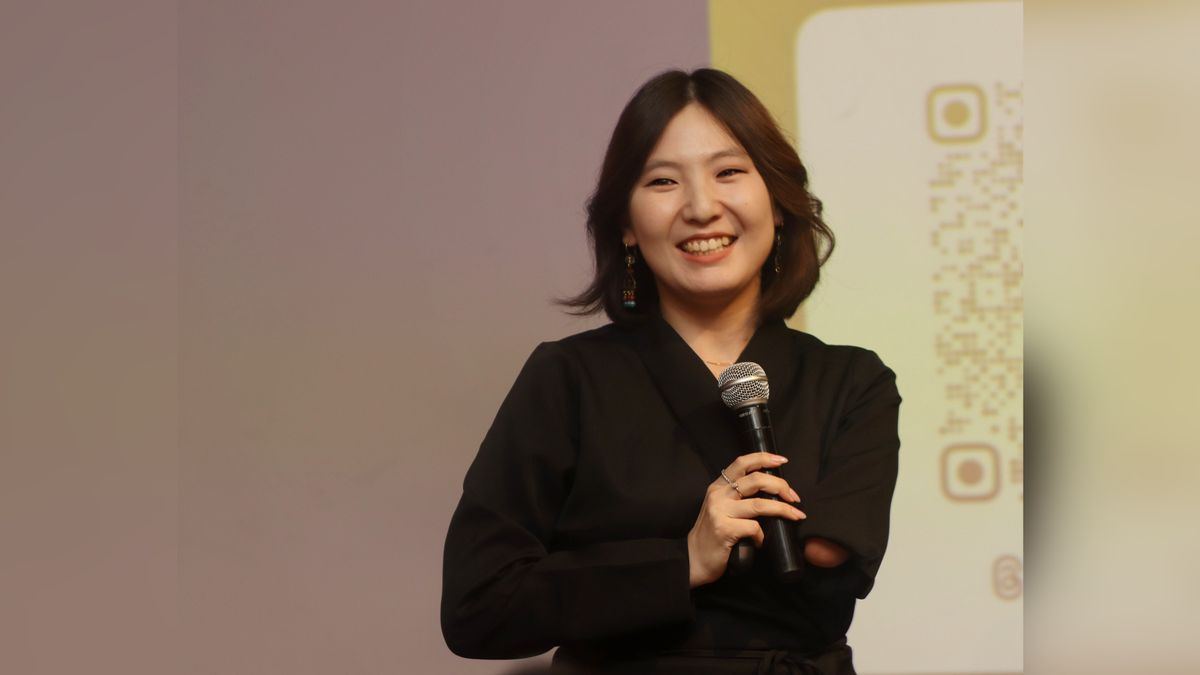
Respectful treatment of people with disabilities is shaped not only by accessible environments but also by everyday communication. Nurguyana Adamova, an inclusion expert at the Mama Pro Public Foundation, explained which words are best avoided, why help should not be forced on anyone, and how to avoid crossing personal boundaries, the website infohub.kz reports.
Sometimes even with the best intentions, people make mistakes when interacting with those with disabilities: they offer help without being asked, ask overly personal questions, or address a companion instead of the person themselves. According to the expert, it is important above all to abandon the habit of seeing a person through the lens of their diagnosis.
"Very often it is the environment that limits a person, not their disability. Today society is gradually moving from a medical model of understanding disability to a social one. The focus is on the barriers that prevent a person from participating fully in society. These include the prejudices of those around them as well," the expert notes.
She explains that it is important to use appropriate wording in everyday communication. For example, it is preferable to say "a person with a disability" rather than "an invalid," or "a person with a visual impairment" instead of "a blind person." At the same time, if necessary, one can ask the person which term they prefer.
Particular attention should be paid to offering help. Even if it seems that a person is struggling, one should not immediately step in.
"It is enough to ask two simple questions: 'Do you need help?' and 'How can I help you?' The most important thing is to understand that help must be genuinely necessary and comfortable for the person with a disability," the speaker emphasizes.
There are other etiquette nuances as well. For example, one must not move a wheelchair, touch a cane, or take a blind person by the hand without permission. When talking to a person with a speech impairment, it is important not to interrupt and to give them time to formulate their thought. At the same time, the expert advises against creating an atmosphere of excessive caution around interactions with people with disabilities.
If an inappropriate phrase does slip out, there is no need to turn the situation into an awkward scene: it is enough to apologize calmly and continue the conversation. An inclusive society begins with everyday actions, respect for personal boundaries, and a readiness to see the person first and foremost in everyone.