

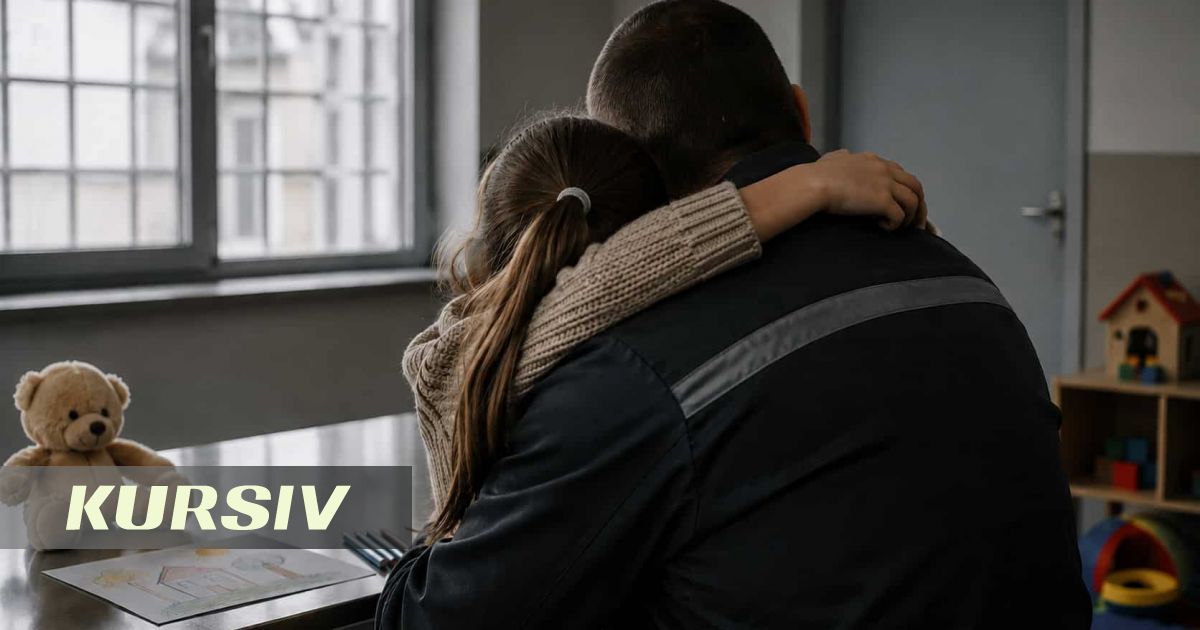
In a correctional facility in the Abai region, a touching reunion took place: an inmate finally saw his five-year-old daughter, whom he had not seen for several years. The man, serving time for drug offenses, had maintained contact with the child and sent money for her treatment, reports infohub.kz.
The 45-year-old resident of Pavlodar was sentenced to seven years in prison for drug possession and trafficking. Initially held in a medium-security facility, his conditions were later eased.
The transfer to a minimum-security facility was made possible by his exemplary behavior, compliance with regulations, and responsible attitude toward work. After that, he was helped to find a job at an enterprise engaged in city improvement.
The inmate told facility staff that after his sentencing, his family fell apart. His wife filed for divorce and placed their one-year-old daughter in the care of his mother. However, due to health problems, the grandmother could not care for the girl on her own, and the child ended up in an orphanage.
The situation worsened when the child was diagnosed with a heart defect. After getting a job, the man began sending almost all of his earnings to pay for his daughter's treatment.
"It was important for me to take care of her and help despite the distance. Now my daughter is five years old. All these years we kept in touch, often talked on the phone, and counted the days until our meeting together," the inmate shared.
The long-awaited meeting took place with the assistance of the facility's administration. The man was able to see and hug his daughter, with whom he had previously only communicated remotely.
"And that day came. After a long separation, I was able to see my daughter, hug her, and be with her. This is a very important moment for me. I am grateful for the opportunity to meet her, and I hope that in the future I can be with my daughter and start a new life," he said.
The acting head of the facility, Rustem Berlibekov, emphasized that maintaining family ties of inmates is one of the priority areas of the penal system.
"In this case, employment allowed the man not only to acquire useful work skills and follow the established order, but also to provide financial assistance to his daughter. We see how significant it was for him to be able to stay in touch with his child and wait for a personal meeting," Berlibekov noted.