

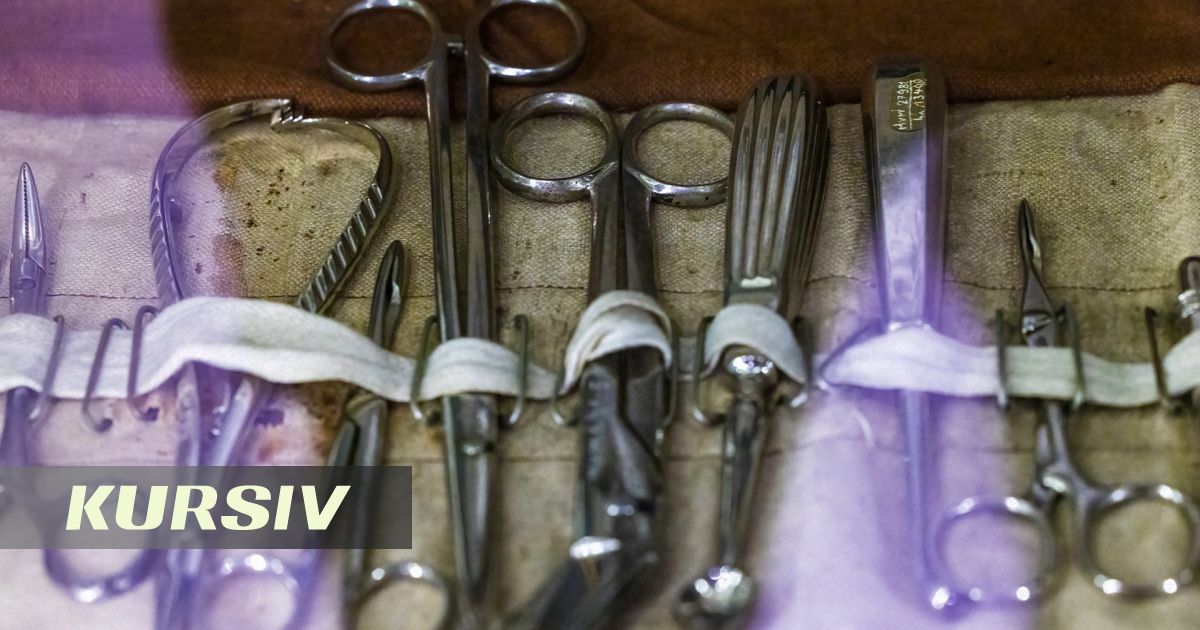
Before the advent of modern anesthesia, surgery was a true ordeal for patients, and methods of numbing pain were sometimes more dangerous than the illness itself. On Anesthesiologist's Day, marked on October 16, the Republican Center for Coordination of Transplantation and High-Tech Medical Services recalled how pain was once relieved before operations, reports infohub.kz.
In the Middle Ages, special sponges soaked in plant mixtures were used. Their ingredients could include mandrake, henbane and opium. The sponges were held to the patient's face in the hope of inducing drowsiness and reducing sensitivity to pain.
However, the effect of such remedies was hard to predict: they might not work, cause poisoning and even lead to death.
Blows to the head were delivered to knock a person unconscious, and sometimes attempts were made to compress the carotid arteries. The beatings could cause severe injuries.
The turning point came with the use of ether anesthesia. On October 16, 1846, American dentist William Morton publicly demonstrated it at Massachusetts General Hospital in Boston. During the operation, surgeon John Warren removed a tumor from a patient, who felt no pain. This event became an important milestone in the development of modern anesthesia.
Today, an anesthesiologist's work is not limited to numbing pain. The specialist monitors the patient's breathing, heart rhythm, blood pressure and other vital indicators.
The center congratulated anesthesiologists on their professional holiday and thanked them for their knowledge, composure and responsibility.
The main fear many patients have before surgery is waking up under anesthesia. Is it possible — find out in the Kursiv Health article.