

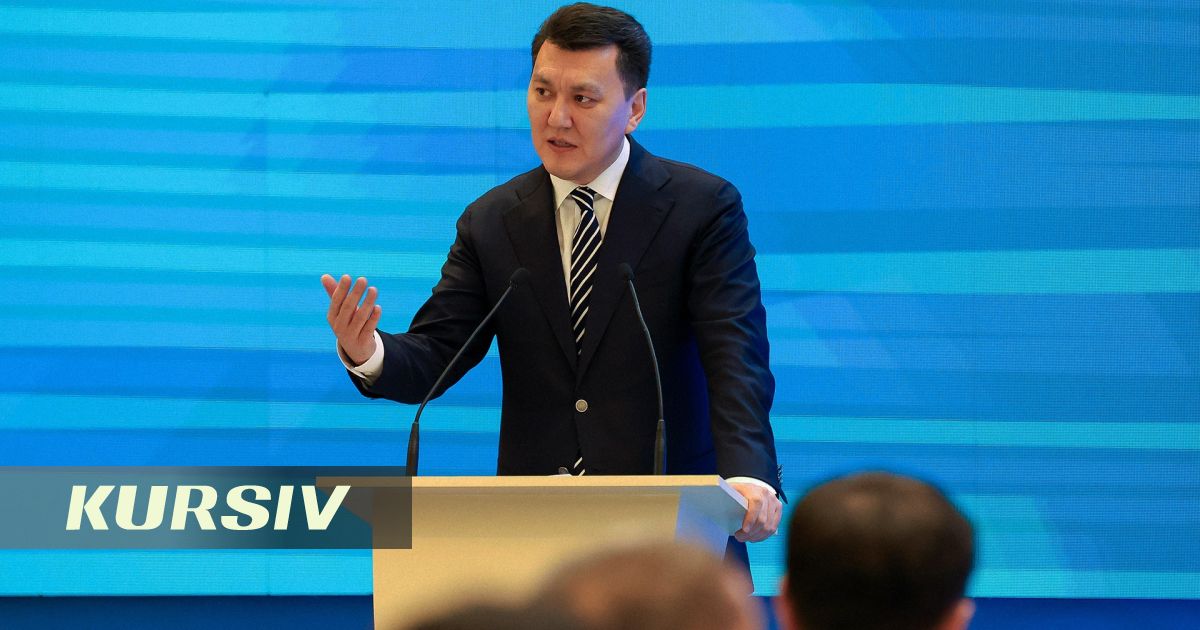
The XXIV meeting of the Secretariat of the Congress of Leaders of World and Traditional Religions was held in Astana. Chaired by Yerlan Karin, State Counsellor of the Republic of Kazakhstan, the meeting brought together more than 30 representatives of faiths, international organizations, and public figures from 20 countries, according to infohub.kz.
The main outcome of the meeting was the adoption of two key documents: "The Role of Religions in Combating Climate Change" and "Ethical Code for the Use of Artificial Intelligence in the Religious Sphere."
The AI ethics code advances Kazakh President Qasym-Jomart Toqaev's idea of developing "commandments for algorithms." The document aims to protect the religious sphere from digital fakes, manipulation, discrimination, and distortion of sacred texts. The climate document, in turn, emphasizes environmental responsibility and echoes the principles of the national program "Taza Qazaqstan."
In addition, participants presented the "Charter of the Rights of the Incurably Ill Child" — a joint project of Kazakhstan and the Vatican, developed with the participation of the Bambino Gesù clinic. The Secretariat supported continued work on this initiative.
In his remarks, Yerlan Karin emphasized that Kazakhstan's fundamental constitutional values — unity, tolerance, and respect for the individual — serve as the foundation of the country's peace-loving foreign policy under the leadership of the Head of State.
"The value foundation accumulated over previous years allows us to expand the practical dimension of the Congress — joint development of documents, strengthening partnerships, and implementation of projects," Yerlan Karin said.
He noted that spiritual diplomacy is becoming an especially important tool amid military conflicts, rising radicalism, hate speech, and climate and man-made challenges, helping to maintain dialogue where conventional negotiations falter. The Secretariat was tasked with developing a concept and a phased plan for the Global Movement for Peace proposed by Qasym-Jomart Toqaev.
"The authority of the Congress will be determined by how consistently the decisions taken are translated into international initiatives and serve to strengthen peace and trust," Karin concluded.
A number of bilateral meetings were held on the sidelines of the event. Yerlan Karin discussed strengthening interreligious dialogue and advancing joint projects with Mohamed Abdelsalam, Secretary General of the UAE Muslim Council of Elders; Afra Mohammed Al-Sabri, Director General of the UAE Ministry of Tolerance; and representatives of China's Taoist and Buddhist communities, Qiu Shuang and Sun Xiao.