

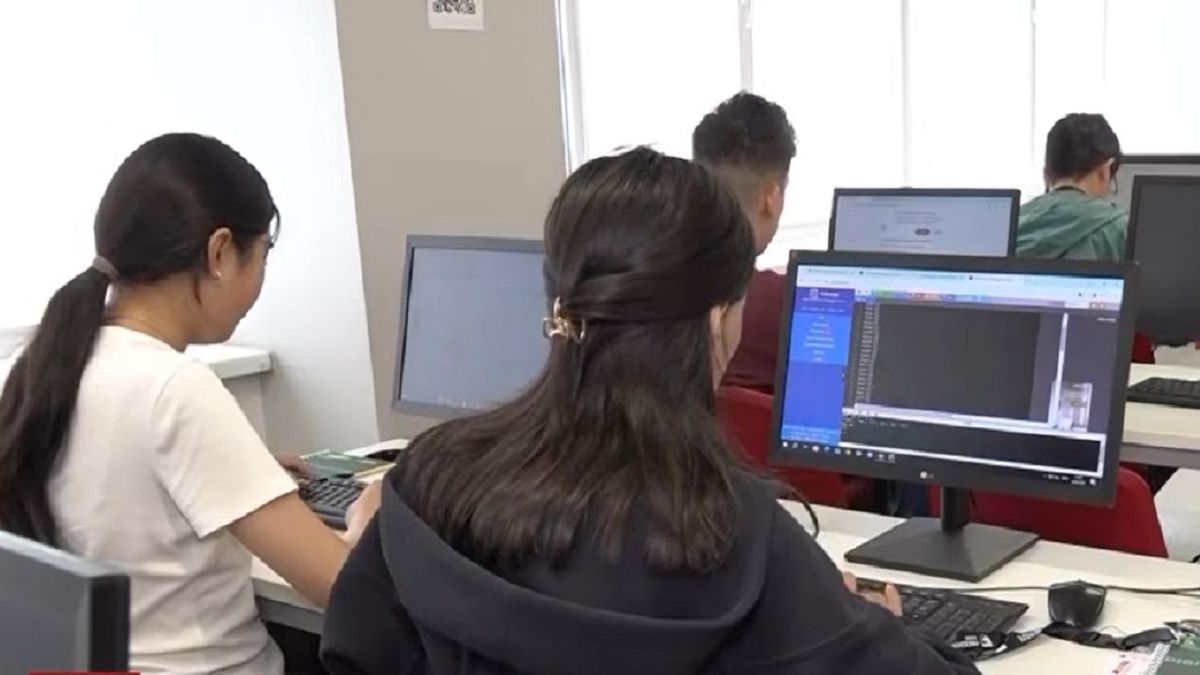
More than 50,000 former students in Kazakhstan have not fulfilled their work requirement for state-funded educational grants, and only some have returned the funds to the state treasury, reports infohub.kz.
According to Almaty.tv, since 2012, over 350,000 students—bachelors, masters, and doctoral candidates—have studied at Kazakh universities at the state's expense. However, not all remember the obligation to work for three years after graduation to compensate for the grant. Over the past 12 years, university graduates have returned more than 7.5 billion tenge to the state budget.
It is noted that if a young specialist receives a diploma in June, they must find a job in their field and work the required period by autumn. If there are no vacancies, they must contact the local Career Center and register as a job seeker. However, certain categories of citizens may be exempted from the work requirement or granted a deferment.
"The commission will consider the following cases for exemption. Persons with disabilities of groups 1 and 2 are exempted, as are pregnant women and those with children under three years old. Also, those who continue their studies in master's, doctoral, or residency programs on a grant may receive a deferment. After completing such studies, they can obtain full exemption from the work obligation based on their diploma," explained Akzira Serikkali, a leading specialist at Financial Center JSC.
One of those who studied on a grant in a doctoral program is Anar Kurmangaliyeva. She said that upon admission, the requirements were clearly explained, and applicants gave written consent to future obligations. Currently, she is fulfilling her state obligation by working as a press secretary at the National Academy of Choreography.
"When the requirements were announced, they gave examples such as working at universities, secondary specialized educational institutions, research centers, and government agencies. People from the financial center came to our university and explained all the nuances of the work requirement, including deferments for maternity leave, military service, or family circumstances," shared Anar Kurmangaliyeva, press secretary of the Kazakh National Academy of Choreography.
It should be noted that if a student studied on a grant for only half of the standard four-year period, the work requirement is halved. If graduates refuse to voluntarily fulfill the work obligation, the court can order them to reimburse the cost of education plus a penalty fine. The annual penalty is calculated based on the National Bank's base rate.